
Planning a Muslim wedding in London requires careful consideration of religious traditions alongside practical considerations for hosting such a significant celebration in one of the world’s most cosmopolitan cities.
Whether you’re organising a traditional nikah ceremony or a grand walima reception, understanding the intricate balance between Islamic customs and contemporary expectations forms the foundation of creating a memorable celebration that honours both faith and family.
The journey of planning begins with recognising that a Muslim wedding encompasses far more than a single day of festivities. Islamic marriage traditions span multiple events, each carrying distinct religious significance and ceremonial requirements. From the initial engagement formalities through to the walima celebration, every element requires thoughtful planning that respects religious obligations whilst accommodating the diverse expectations of families living within Britain’s multicultural landscape.
Modern Muslim couples in London face the beautiful challenge of honouring ancestral customs whilst embracing contemporary British life.
This balance creates opportunities for meaningful celebrations that reflect both spiritual devotion and personal expression. The capital’s multicultural environment provides an ideal backdrop for these fusion celebrations, offering resources and understanding that support authentic Islamic ceremonies within a cosmopolitan setting.
Learn more about Cavendish Banqueting Wedding Hall.
Understanding Islamic Marriage Ceremonies and Requirements
Core Religious Elements of Muslim Weddings
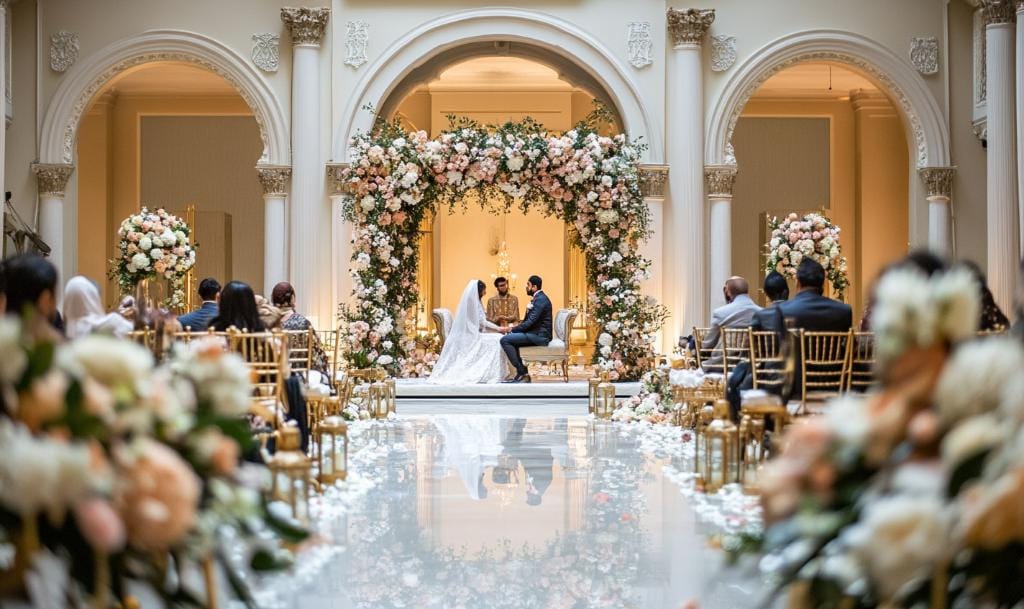
The nikah ceremony stands at the heart of Islamic marriage, representing the formal religious contract between bride and groom. This sacred commitment requires specific elements that must be accommodated regardless of venue choice. The ceremony typically involves the recitation of verses from the Quran, the exchange of vows in Arabic or English, and the signing of the nikah contract in the presence of witnesses.
Understanding these fundamental requirements proves essential when discussing arrangements with potential venues.
The ceremony requires adequate space for the imam or officiant, appropriate seating arrangements that may separate men and women according to family preferences, and acoustics suitable for recitation and prayer. Many couples also choose to incorporate personalised elements such as readings in multiple languages to ensure all family members can participate meaningfully in the proceedings.
The timing of the nikah ceremony often influences the overall celebration structure. Some families prefer morning ceremonies followed by afternoon receptions, whilst others opt for evening nikah ceremonies that transition seamlessly into dinner celebrations.
This flexibility allows couples to create schedules that accommodate religious obligations whilst considering practical elements such as guest travel arrangements and venue availability.
Pre-Wedding and Post-Wedding Islamic Traditions
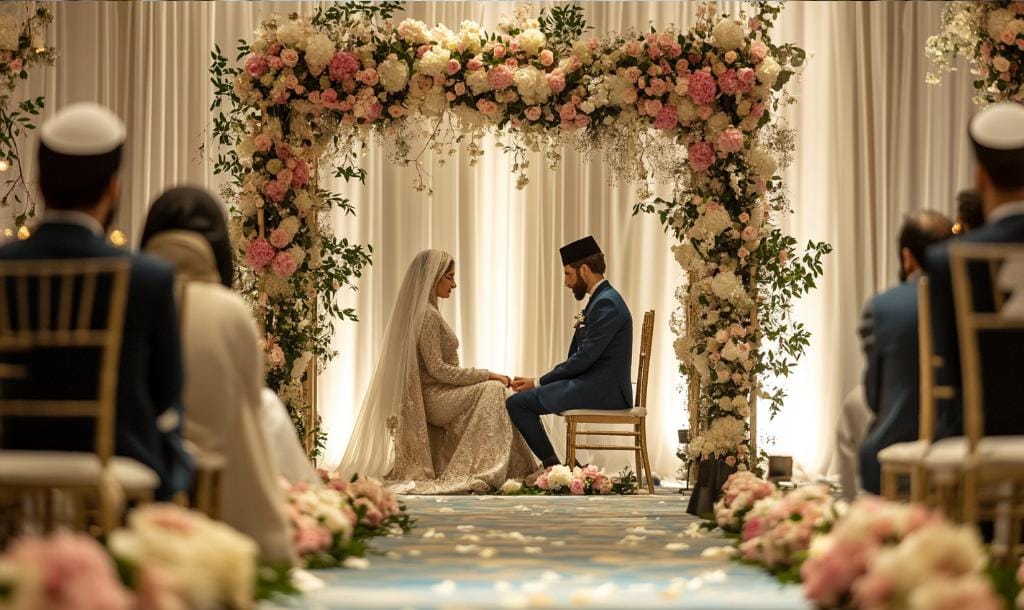
Beyond the central nikah ceremony, Muslim wedding traditions encompass various pre-wedding and post-wedding celebrations that require careful coordination.
The mehndi ceremony, whilst sharing similarities with other South Asian traditions, carries specific significance within Islamic contexts. These intimate gatherings typically feature intricate henna application, traditional music, and opportunities for female family members to bond with the bride.
The walima reception, considered a sunnah or recommended practice in Islam, provides an opportunity for the couple to share their joy with the broader community.
This celebration often represents the most elaborate aspect of Muslim wedding planning, requiring venues capable of accommodating large guest lists whilst providing appropriate facilities for Islamic dietary requirements and prayer times. Many families also incorporate cultural traditions specific to their ethnic backgrounds, creating beautifully layered celebrations that honour both Islamic principles and ancestral customs.
Selecting Appropriate Muslim Wedding Venues in London
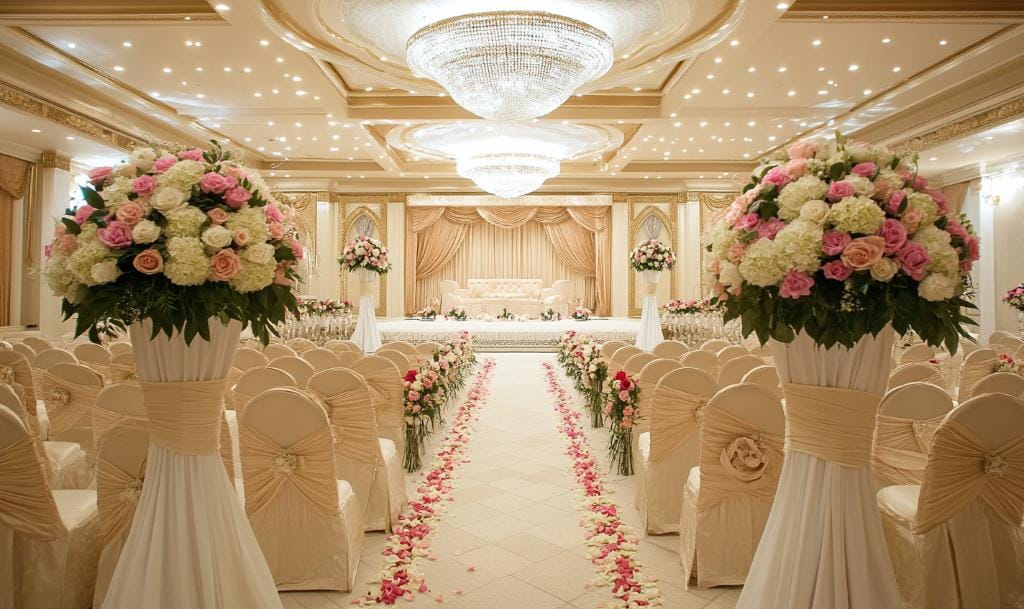
Essential Venue Requirements for Islamic Celebrations
When searching for Muslim wedding venues London, certain fundamental requirements must take priority over aesthetic considerations.
The venue must provide adequate facilities for religious observance, including space for prayer and appropriate washroom facilities for ritual ablution. Understanding these practical needs ensures your chosen location can accommodate the spiritual aspects of your celebration without compromise.
Catering capabilities represent another crucial consideration when evaluating potential venues. The facility must either provide halal catering options or permit external halal caterers to service your event. This requirement often influences venue selection significantly, as not all London wedding venues maintain halal certification or understand the complexities of Islamic dietary laws.
Location and Accessibility Considerations
London’s diverse Muslim communities are concentrated in various areas across the capital, and selecting Muslim wedding venues that provide convenient access for your specific community can significantly impact guest attendance. Consider transportation links, parking availability, and proximity to Islamic centres or mosques where some guests might prefer to perform prayers.
The venue’s reputation within the Muslim community often proves valuable when making final decisions. Establishments with experience hosting Islamic celebrations typically understand cultural sensitivities and can guide timing, layout, and service approaches that respect religious traditions.
These venues often maintain relationships with halal caterers, Islamic florists, and other suppliers familiar with Muslim wedding requirements.
Accessibility extends beyond location to encompass facilities for elderly family members and guests with mobility requirements. Many Muslim wedding celebrations include three or four generations of family members, making wheelchair accessibility, clear pathways, and appropriate seating arrangements essential considerations that demonstrate respect for all attendees.
Dress Codes and Attire Guidance
Understanding Muslim Wedding Dress Traditions

The question of what to wear to a Muslim wedding varies considerably depending on cultural background, family traditions, and the specific celebration type.
Understanding these nuances helps both couples and guests make appropriate choices that honour religious sensitivities whilst expressing personal style. Traditional Muslim wedding dress often emphasises modesty whilst incorporating rich fabrics, intricate embroidery, and culturally significant colours.
For brides, traditional options might include elaborate lehengas, stunning kaftans, or beautifully embellished abayas, depending on cultural heritage. Many contemporary Muslim brides choose to wear different outfits for various celebration components—perhaps a more traditional ensemble for the nikah ceremony and a contemporary gown for the walima reception.
Guest Attire Guidelines and Cultural Sensitivity

Providing clear guidance regarding appropriate guest attire demonstrates consideration for attendees who may be unfamiliar with Islamic dress expectations. This information can be elegantly communicated through wedding invitations or accompanying information cards that explain dress code expectations without appearing prescriptive.
General guidelines typically encourage modest dress choices that cover shoulders, arms, and legs appropriately. However, the specific level of formality and cultural expectations can vary significantly between families and communities. Some celebrations welcome vibrant colours and elaborate outfits, whilst others prefer more understated elegance.
Communication and Invitation Etiquette
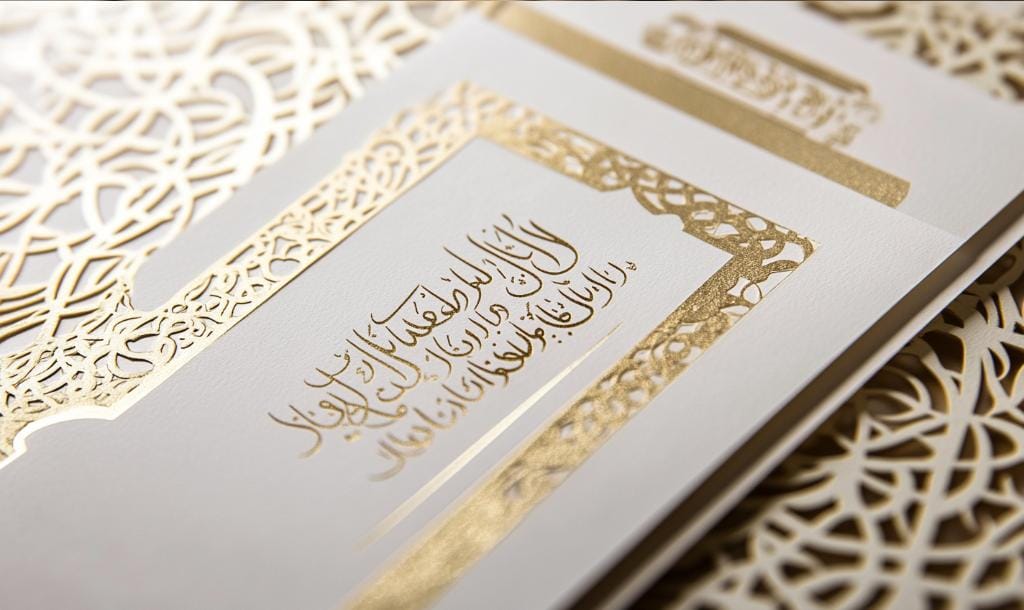
Designing Meaningful Muslim Wedding Invitations
Creating appropriate Muslim wedding invitations requires balancing religious elements with practical information and aesthetic appeal.
Traditional Islamic calligraphy, Quranic verses, or religious symbols might be incorporated alongside contemporary design elements that reflect the couple’s style. The invitation design often sets expectations regarding the celebration’s formality and cultural elements.
The wording typically includes Islamic phrases such as “Bismillah” (In the name of Allah) or “Insha’Allah” (God willing), demonstrating the religious significance of the occasion. Many couples choose bilingual approaches that honour both English-speaking guests and family members who prefer traditional languages, creating inclusive communications.
Managing Guest Expectations and Cultural Education
Beyond basic logistical information, thoughtful couples often include brief explanations of Islamic marriage traditions to help guests from different backgrounds understand and appreciate the ceremony components. This educational approach demonstrates respect for your religious traditions whilst ensuring all attendees feel welcome and informed.
Information about multiple events requires careful organisation within the Muslim wedding card suite. Many celebrations span several days or include multiple functions, necessitating clear timelines and venue information for each component. Prayer time considerations should be communicated clearly, particularly for celebrations that span several hours.
Gift-Giving Traditions and Considerations
Traditional Muslim Wedding Gifts and Modern Alternatives
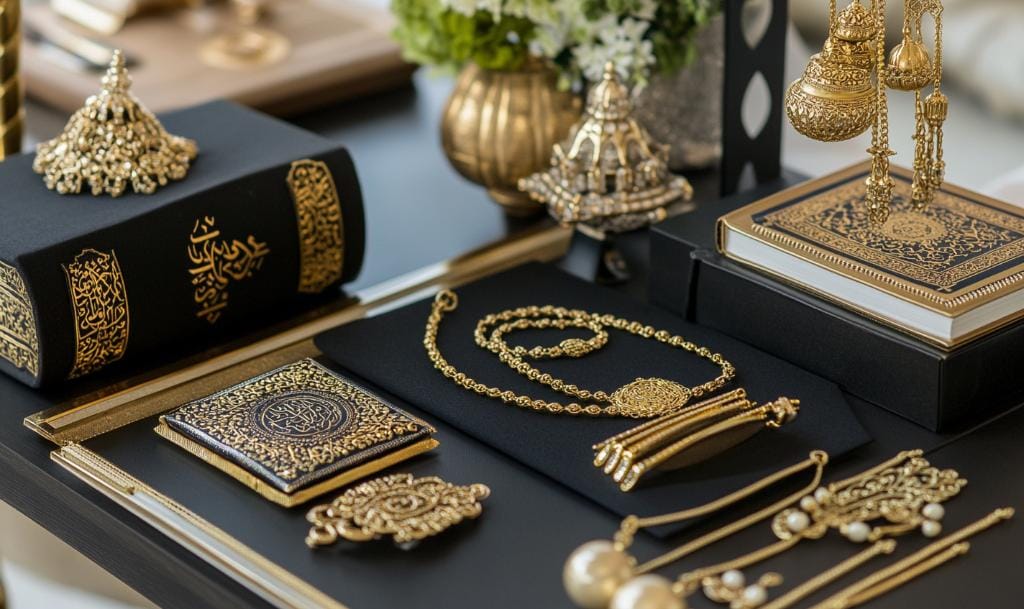
Understanding appropriate Muslim wedding gifts requires consideration of both Islamic principles and cultural traditions that vary across different communities. Traditional gifts often emphasise practical items that help establish the new household, religious items that support spiritual life, or monetary contributions that assist with wedding expenses.
Gold jewellery represents a traditional choice that combines practical value with cultural significance, particularly for female family members gifting to the bride. Islamic books, prayer mats, or decorative items featuring Quranic verses offer meaningful options that support the couple’s spiritual journey.
Monetary Gifts and Cultural Considerations
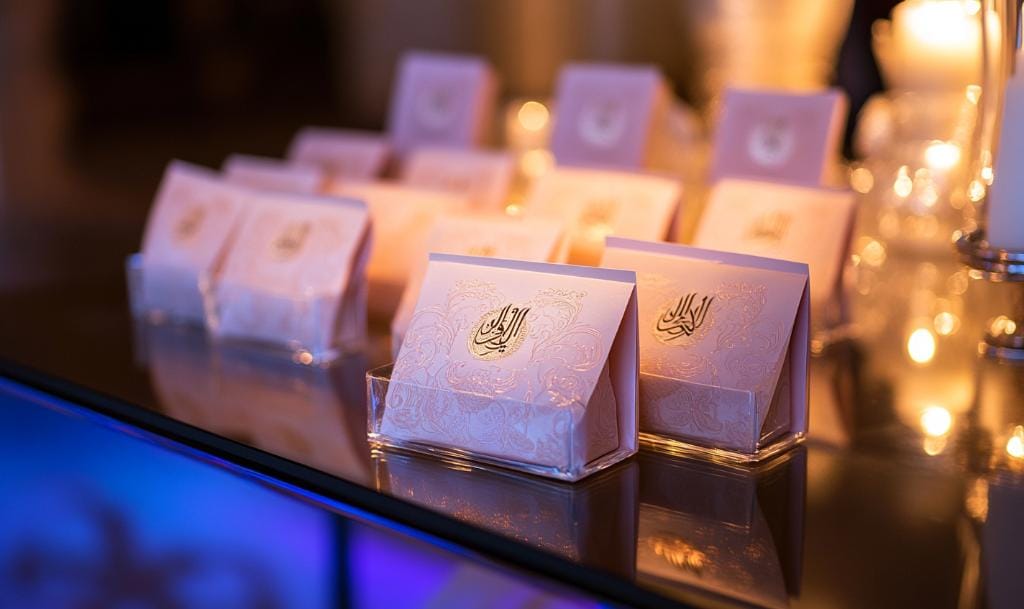
Cash gifts remain common and appreciated within many Muslim communities, providing couples with flexibility to address immediate needs or long-term goals. The presentation of monetary Muslim wedding gifts often follows specific cultural protocols, with amounts typically reflecting the closeness and the giver’s financial circumstances.
When attending celebrations as non-Muslim guests, consulting with mutual friends or family members about appropriate gift choices demonstrates cultural sensitivity and respect. Many couples appreciate when guests make efforts to understand and honour their traditions, regardless of religious background differences.
Key Takeaways
Planning an elegant Muslim wedding in London requires thoughtful navigation of religious traditions, cultural expectations, and practical considerations unique to celebrating within Britain’s diverse landscape. Success lies in understanding that Islamic marriage ceremonies encompass comprehensive planning that honours both spiritual significance and family Muslim wedding traditions whilst creating memorable experiences for all attendees.
The abundance of suitable venues throughout London, combined with the capital’s rich network of suppliers familiar with Islamic wedding requirements, provides couples with extensive options for creating celebrations that truly reflect their values and aspirations. From intimate nikah ceremonies to elaborate walima receptions, the possibilities remain virtually limitless.
Ready to begin planning your perfect celebration? Our experienced team understands the intricate balance between Islamic traditions and contemporary celebrations, providing the expertise and cultural sensitivity needed to create your dream wedding.
Contact us today to discuss how we can help transform your vision into a beautifully executed celebration that honours your faith, family, and future together.