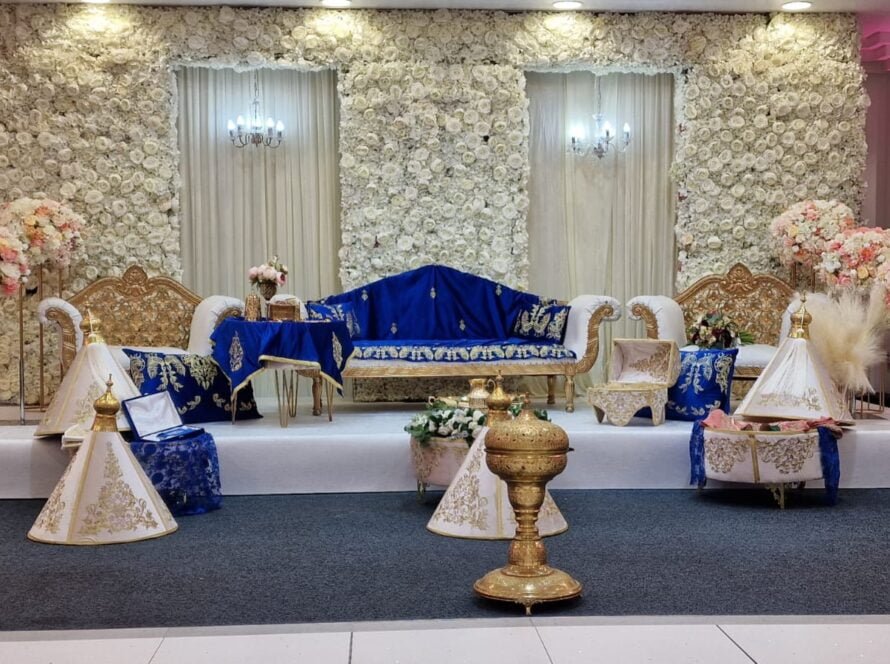

The transformation of a wedding reception space from an ordinary venue to an extraordinary celebration requires careful consideration of every decorative element. After decades of orchestrating celebrations for discerning families across London’s diverse communities, one learns that successful wedding reception decoration transcends mere aesthetics.
It creates an atmosphere that honours cultural heritage while reflecting the couple’s style, establishing an environment where memories are forged and traditions are celebrated.
- Creating Cohesive Colour Schemes for Cultural Celebrations
- Lighting Design for Atmospheric Wedding Receptions
- Flower Decoration for Wedding Reception: Seasonal and Cultural Approaches
- Wedding Reception Table Decoration: Balancing Function with Beauty
- Entrance and Ceremony Decoration Strategies
- Conclusion
- FAQs
Wedding reception decoration ideas must balance visual impact with practical considerations, particularly when accommodating the specific requirements of South Asian, Nigerian, and other cultural celebrations. The most successful decorative schemes understand that these events often welcome significantly larger guest counts than typical Western celebrations, require accommodation for specific ceremonial elements, and must create multiple zones within a single space to serve various purposes throughout the evening.
The foundation of any successful decorative scheme lies in understanding the venue’s architecture and working with its inherent characteristics rather than against them.
This approach proves particularly crucial when dealing with the diverse array of spaces available across London, from contemporary hotel ballrooms to purpose-built cultural venues. Each space presents unique opportunities and challenges that inform the overall decorative strategy.
Learn more about Weddings at Cavendish Banqueting.
Creating Cohesive Colour Schemes for Cultural Celebrations
Traditional Colour Palettes and Cultural Significance
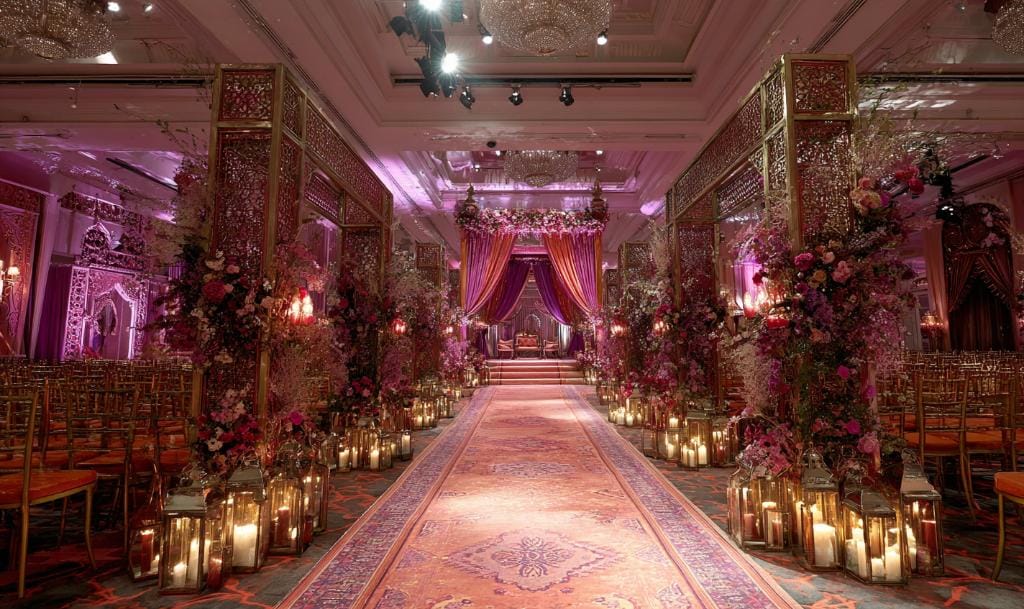
Cultural celebrations often incorporate specific colour combinations that carry deep symbolic meaning, and these traditional palettes form the foundation of successful decorative schemes.
South Asian celebrations frequently embrace rich combinations of red and gold, symbolising prosperity and auspiciousness, while deep burgundy and cream offer sophisticated alternatives that maintain cultural relevance while appearing more contemporary.
Nigerian weddings often feature bold purple and gold combinations, reflecting themes of royalty and prosperity, though modern interpretations might incorporate softer lavender tones alongside metallic accents. These traditional palettes provide excellent starting points for simple wedding decoration ideas for reception spaces, as they offer built-in coherence while allowing for creative interpretation.
When working with cultural colour schemes, the key lies in balancing authenticity with sophistication. Rather than using primary colours at full saturation throughout the space, consider incorporating traditional hues through strategic accent pieces while maintaining neutral backgrounds.
This approach allows cultural elements to shine without overwhelming the overall aesthetic.
Contemporary Interpretations of Heritage Colours
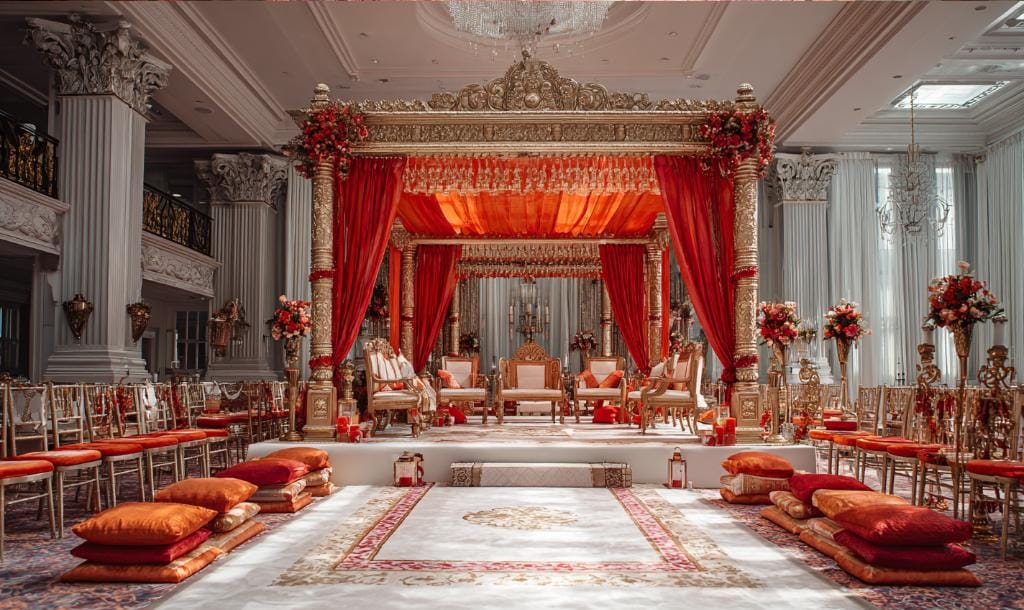
Modern couples often seek ways to honour traditional colour expectations while creating spaces that feel fresh and contemporary. This balance can be achieved through the strategic use of metallics, incorporating traditional colours in unexpected materials, or using cultural hues as accent colours rather than dominant themes.
Sophisticated wedding reception decoration might feature gold accents against crisp white linens, with traditional red appearing in floral arrangements and ceremonial elements.
Similarly, purple might be introduced through luxurious velvet textiles or crystal glassware rather than overwhelming fabric draping. These approaches satisfy cultural expectations while creating visually refined environments.
The most successful contemporary interpretations understand that cultural colours carry emotional weight for families and guests.
Rather than dismissing traditional palettes as outdated, skilled decorators find innovative ways to present these meaningful hues in sophisticated contexts that honour heritage while embracing contemporary design sensibilities.
Key Takeaways: Successful wedding reception decorations balance cultural significance with sophistication by incorporating traditional colours like red, gold, and purple through modern accents and materials.
Lighting Design for Atmospheric Wedding Receptions
Creating Ambience Through Strategic Illumination
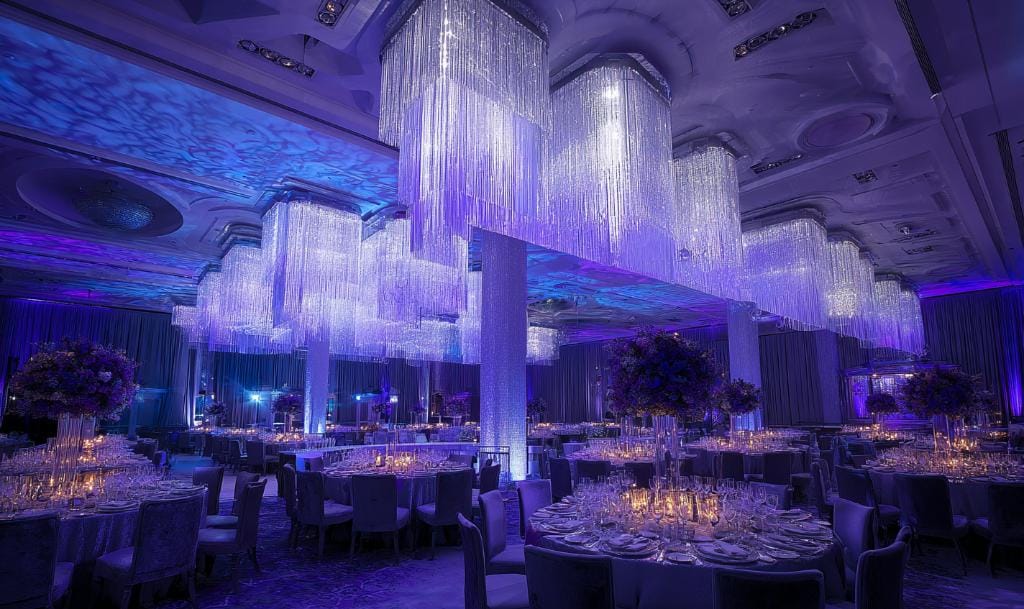
Professional lighting design transforms reception spaces more dramatically than any other single element, yet it remains one of the most overlooked aspects of wedding planning. The harsh fluorescent lighting found in many venues can instantly diminish even the most expensive decorative schemes, while thoughtful illumination elevates modest decorations into magical environments.
Layered lighting approaches work particularly well for cultural celebrations, which often require flexibility to accommodate different activities throughout the evening.
Ceremony areas might require brighter illumination for religious or traditional elements, while dining areas benefit from softer, more intimate lighting that encourages conversation and creates flattering environments for photography.
Uplighting provides an excellent foundation for any reception space, washing walls in soft colour that can be adjusted throughout the evening to complement different celebration phases.
This technique proves particularly effective in venues with architectural features that benefit from highlighting, such as ornate mouldings or interesting ceiling details.
Incorporating Cultural Elements Through Lighting
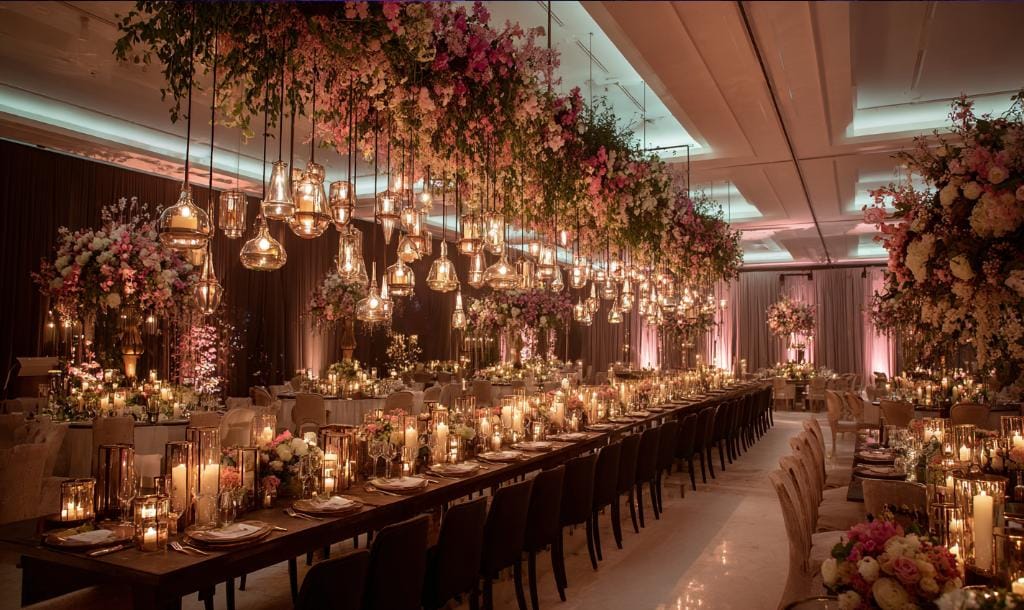
Traditional celebration elements can be beautifully enhanced through thoughtful lighting design. Mandap structures for Hindu ceremonies become even more spectacular when highlighted with subtle uplighting, while the stage arrangements common in Nigerian celebrations benefit from dramatic spotlighting that emphasises their importance.
Candles and flame elements hold particular significance in many cultural traditions, and incorporating these safely within modern lighting schemes requires expertise.
LED candles can provide the visual warmth of traditional flames while meeting venue safety requirements, particularly important in spaces with fabric draping or other potentially flammable decorative elements.
String lighting offers another versatile option that works beautifully across cultural styles. Market lights create casual elegance suitable for outdoor or marquee celebrations, while crystal strand lighting provides glamour appropriate for formal hotel ballrooms.
These elements can be incorporated into existing venue lighting systems or used as standalone features.
Key Takeaways: Effective lighting design enhances wedding receptions by using layered lighting to create ambience, highlighting cultural elements, and blending traditional and modern lighting techniques for a stunning effect.
Flower Decoration for Wedding Reception: Seasonal and Cultural Approaches
Selecting Blooms That Honour Tradition
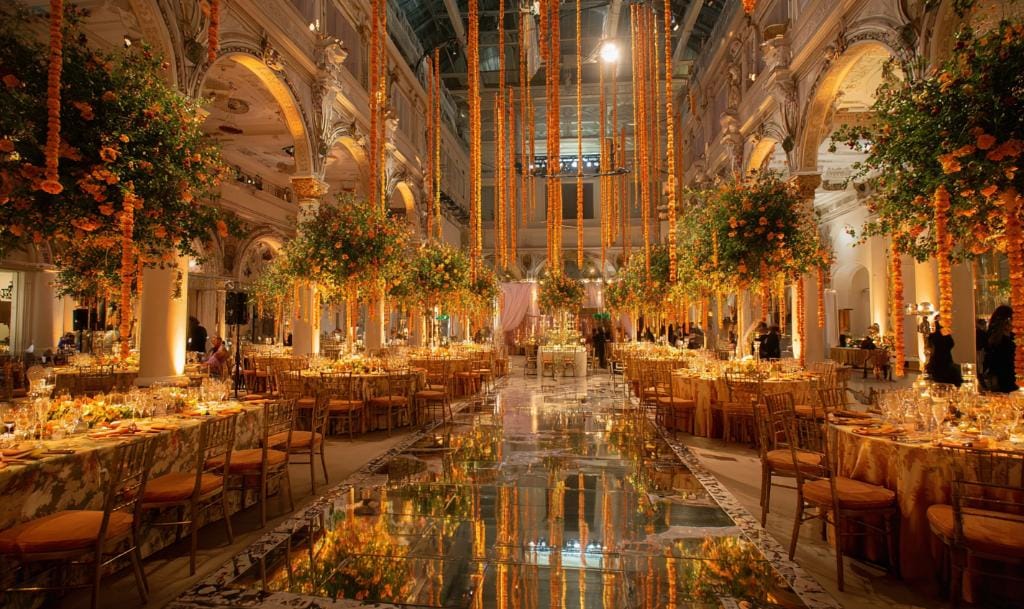
Flower decoration for wedding reception spaces requires understanding both seasonal availability and cultural significance. Traditional blooms like marigolds, jasmine, and roses carry specific meanings within South Asian celebrations, while Nigerian traditions might incorporate specific local flowers or colours that reflect ethnic heritage.
Working with seasonal availability ensures better value while creating more sustainable decorative schemes. Spring celebrations might feature abundant cherry blossoms or tulips alongside traditional roses, while autumn weddings can incorporate rich dahlias and chrysanthemums that complement deeper cultural colour palettes.
The scale of floral arrangements must complement the size of typical cultural celebrations. Large guest counts require substantial arrangements that maintain visual impact across spacious rooms, yet these installations must not impede sight lines during ceremonies or conversations during dining portions of the evening.
Contemporary Floral Design Techniques
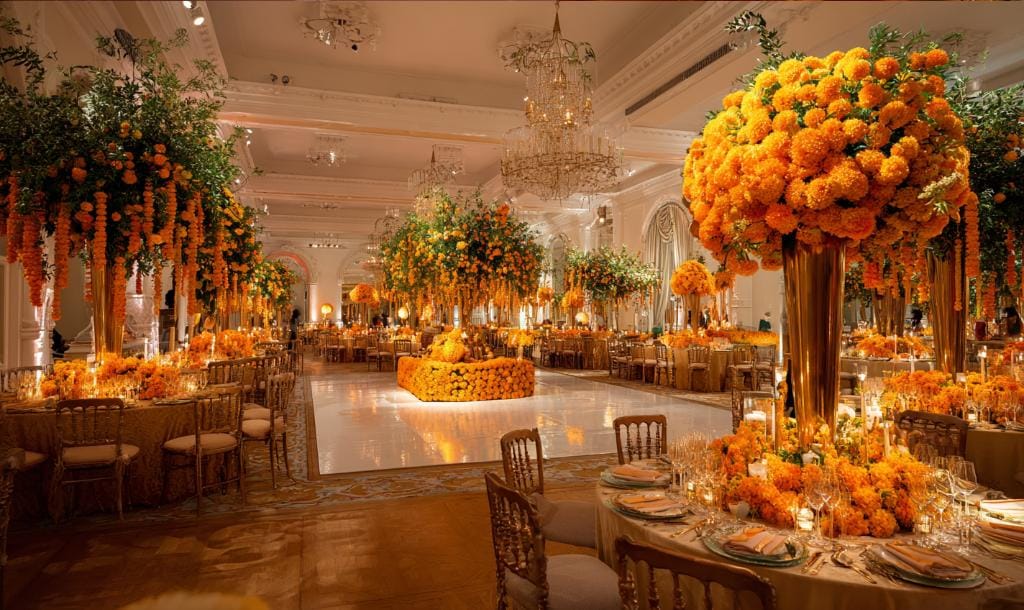
Modern floral design techniques can create stunning interpretations of traditional arrangements while offering practical advantages. Structured, architectural arrangements using traditional blooms in contemporary vessels provide visual impact while requiring fewer flowers than traditional massed arrangements.
Preserved and silk flowers have improved dramatically in recent years, offering couples options for creating lasting keepsakes from their celebrations or working within budget constraints. These alternatives prove particularly valuable for elaborate stage decorations or ceremonial elements that must withstand extended use throughout multiple events.
Mixed arrangements that incorporate both fresh and preserved elements can offer the best of both approaches, with fresh blooms providing fragrance and natural beauty, while preserved elements ensure longevity and reduce overall costs.
This hybrid approach works particularly well for complex cultural celebrations that span multiple days.
Key Takeaways: Floral decoration for wedding receptions blends seasonal and cultural significance, with modern techniques offering sustainable, visually impactful designs. Hybrid arrangements of fresh and preserved flowers ensure longevity and cost efficiency.
Wedding Reception Table Decoration: Balancing Function with Beauty
Creating Practical Yet Elegant Tablescapes
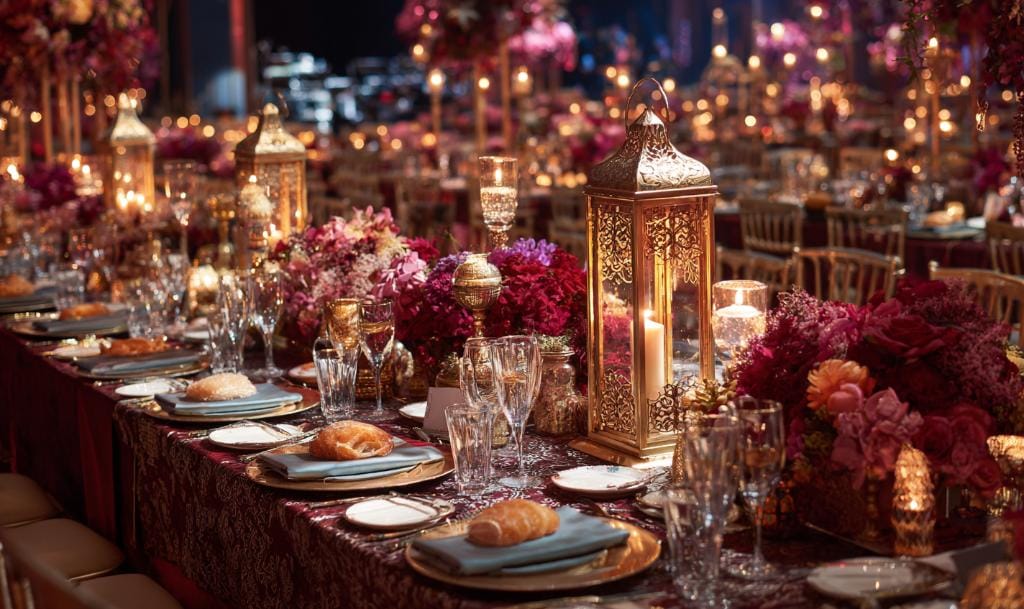
Wedding reception table decoration must balance visual appeal with practical considerations, particularly crucial for cultural celebrations that often feature elaborate multi-course meals served over extended periods. Centrepieces must allow for conversation across tables while providing visual interest that photographs beautifully, and all elements must withstand the service requirements of complex cultural cuisines.
Traditional cultural meals often require significant table space for various dishes, making tall, narrow centrepieces more practical than wide, low arrangements that compete for space with serving dishes. Elevated arrangements on slender stems can provide a dramatic visual impact while leaving maximum table surface available for dining.
Consider the cultural serving style when planning table decorations. Family-style service, common in many cultural celebrations, requires centre table access, while plated service allows for more elaborate table treatments. Understanding these practical requirements early in the planning process prevents costly design revisions later.
Incorporating Cultural Elements into Table Settings
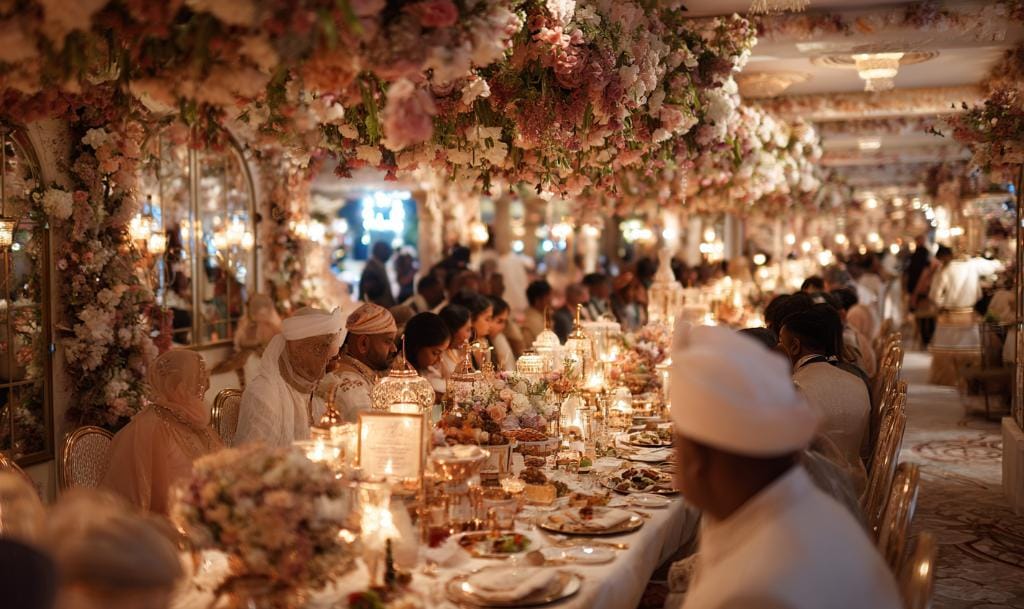
Cultural table settings provide an opportunity to educate guests about traditions while creating visually stunning displays. Incorporating traditional textiles as table runners or charger plates, using culturally significant colours in napkin and glassware choices, and including small cultural elements as place card holders all contribute to cohesive themed environments.
Traditional brass or silver elements can be incorporated into table settings through charger plates, napkin rings, or small decorative vessels that complement floral arrangements. These metallic elements photograph beautifully while adding authenticity to cultural celebration tables.
Place cards and menu cards provide additional opportunities to incorporate cultural design elements, from traditional script fonts to motifs that reference heritage textiles or architectural elements.
These small details contribute significantly to the overall atmosphere while serving practical functions throughout the evening.
Key Takeaways: Wedding reception table decorations should balance beauty with practicality, accommodating cultural serving styles and ensuring space for multiple dishes. Incorporating traditional elements like textiles, metals, and culturally significant colours enhances both the aesthetic and authenticity of the celebration.
Entrance and Ceremony Decoration Strategies
Creating Memorable First Impressions
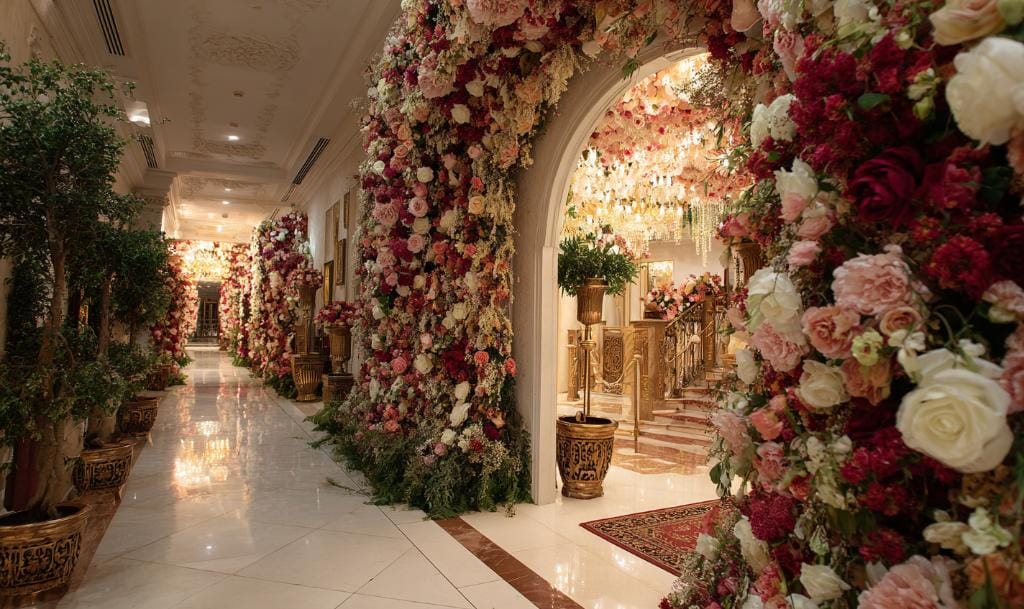
The entrance experience sets expectations for the entire celebration, making this area worthy of significant decorative attention. Cultural celebrations often benefit from grand entrance treatments that honour the significance of the occasion while providing impressive backdrops for family photographs.
Traditional welcome elements like brass lamps, flower petals, or cultural textiles can be incorporated into contemporary entrance designs that feel both authentic and sophisticated. These elements serve ceremonial purposes while creating Instagram-worthy moments that guests appreciate.
Consider the flow of guests through entrance areas when planning decorative elements. Large cultural celebrations often involve multiple generations, including elderly family members who may require additional time or assistance navigating decorative installations.
Practical considerations must inform aesthetic choices to ensure all guests feel welcomed and comfortable.
Ceremonial Area Decoration
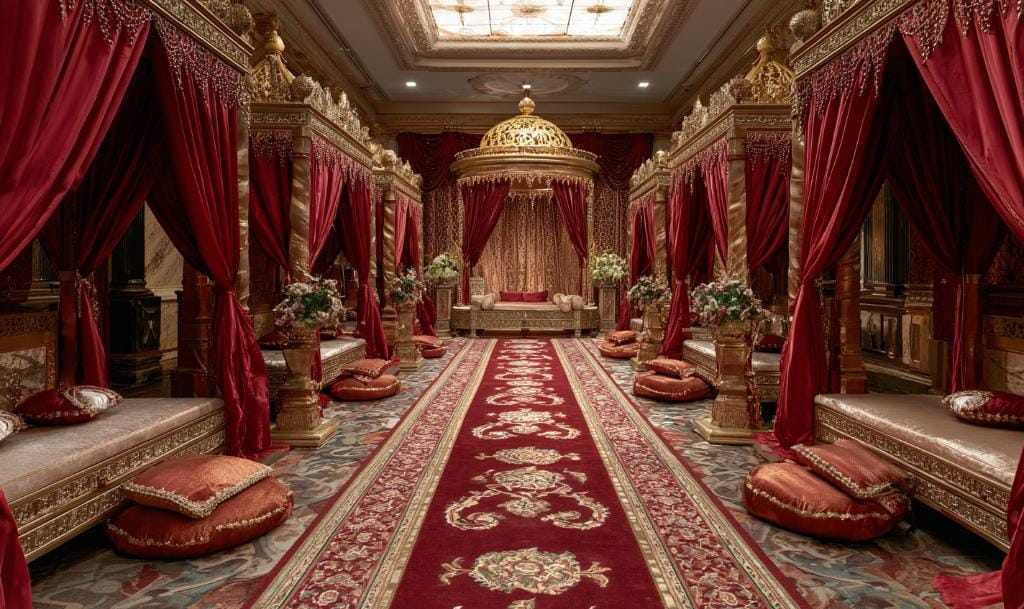
Ceremonial spaces within reception venues require special consideration, as these areas often serve dual purposes throughout the evening. A space used for religious ceremonies early in the celebration might transform into a dance floor later, requiring decorative elements that can be adjusted or removed as needed.
Backdrop installations provide excellent focal points for ceremonial areas while offering flexibility for different celebration phases. These can range from simple fabric treatments to elaborate floral walls or architectural elements that reference cultural traditions while providing stunning photographic backgrounds.
The positioning of ceremonial decorations must consider guest sight lines and photography requirements. Traditional ceremonies often involve significant family participation, requiring sufficient space around decorative installations while ensuring all guests can observe important cultural elements.
Key Takeaways: Entrance and ceremony decorations should balance cultural authenticity and practicality, creating stunning first impressions and flexible spaces for the event.
Conclusion
Successful wedding reception decoration requires a sophisticated understanding of how visual elements work together to create environments that honour cultural heritage while providing practical functionality for complex celebrations.
The most memorable receptions seamlessly blend traditional elements with contemporary sophistication, creating spaces that feel both authentic and aspirational.
After overseeing hundreds of cultural celebrations throughout London, the consistent element in truly successful events remains attention to detail paired with deep respect for tradition.
Whether working with elaborate floral installations or simple candle arrangements, the key lies in understanding how each element contributes to the overall atmosphere while serving the practical needs of the celebration.
Ready to transform your reception space into a celebration that honours your heritage while creating unforgettable memories? Contact our experienced team to discuss how we can help you design a wedding reception that perfectly balances cultural authenticity with contemporary elegance, ensuring your special day reflects both your traditions and your style.
FAQs
What are the key elements to consider when decorating a wedding reception?
Successful wedding reception decoration balances cultural heritage with practical needs, ensuring comfort for guests while creating a visually appealing atmosphere.
How can lighting enhance a wedding reception?
Strategic lighting can transform reception spaces by creating ambience, highlighting cultural elements, and offering flexibility for different celebration phases.
What role do flowers play in wedding reception decoration?
Flowers honour tradition and reflect seasonal availability, while modern design techniques blend fresh and preserved elements for a visually impactful reception.
How do you incorporate cultural elements into a wedding reception?
Cultural elements can be added through colours, traditional textiles, and specific floral arrangements, ensuring the event is visually cohesive and meaningful.