The Hindu wedding represents one of the most elaborate and spiritually significant celebrations in world culture, combining ancient Vedic traditions with contemporary expressions of love and commitment. For Hindu families across London, these celebrations serve as profound connections to ancestral heritage while embracing the multicultural reality of modern British life.
The complexity and beauty of Hindu wedding traditions create celebrations that extend far beyond a single ceremony, encompassing multiple rituals and meaningful customs preserved for thousands of years.
Within London’s vibrant Hindu community, wedding celebrations have evolved to accommodate both traditional expectations and contemporary preferences.
These events typically span several days, involving extensive family participation and requiring careful coordination to ensure religious requirements are met while creating memorable experiences for guests from diverse backgrounds.
Understanding the intricacies of the Hindu wedding ceremony elements becomes essential for families seeking to honour their heritage while navigating the practical considerations of hosting such significant events in the UK.
From the sacred significance of the mandap to the careful timing of various rituals, each element carries a specific meaning that contributes to the overall spiritual and cultural impact of the celebration.
Learn more about weddings at Cavendish Banqueting.
Sacred Elements of the Hindu Wedding Ceremony
Understanding the Spiritual Foundation
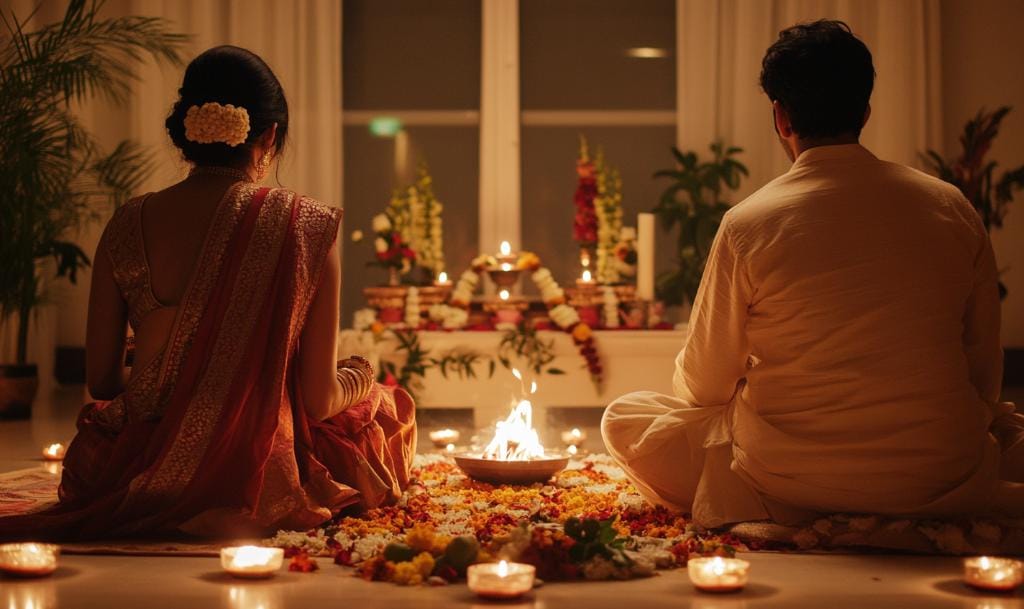
The Hindu wedding ceremony represents more than a social union between two individuals; it constitutes a sacred bond that connects souls across lifetimes according to Hindu philosophy. This spiritual foundation influences every aspect of the celebration, from the timing of specific rituals to the materials used in ceremonial elements. The ceremony is built upon the concept of ‘Sanskara’, one of the sixteen sacred rites that mark significant life transitions in Hindu tradition.
Each ritual within the ceremony carries specific spiritual significance, designed to invoke divine blessings while establishing the couple’s commitment to dharma within their married life. The presence of the sacred fire, or ‘Agni’, serves as the divine witness to the vows exchanged, while various mantras and prayers create a spiritual atmosphere that transcends the physical celebration.
The involvement of a qualified priest becomes crucial in ensuring that ceremonies maintain their authentic spiritual character. Many London-based Hindu communities have established relationships with priests who understand both traditional requirements and the practical considerations of conducting ceremonies in contemporary venues.
Essential Ceremonial Components
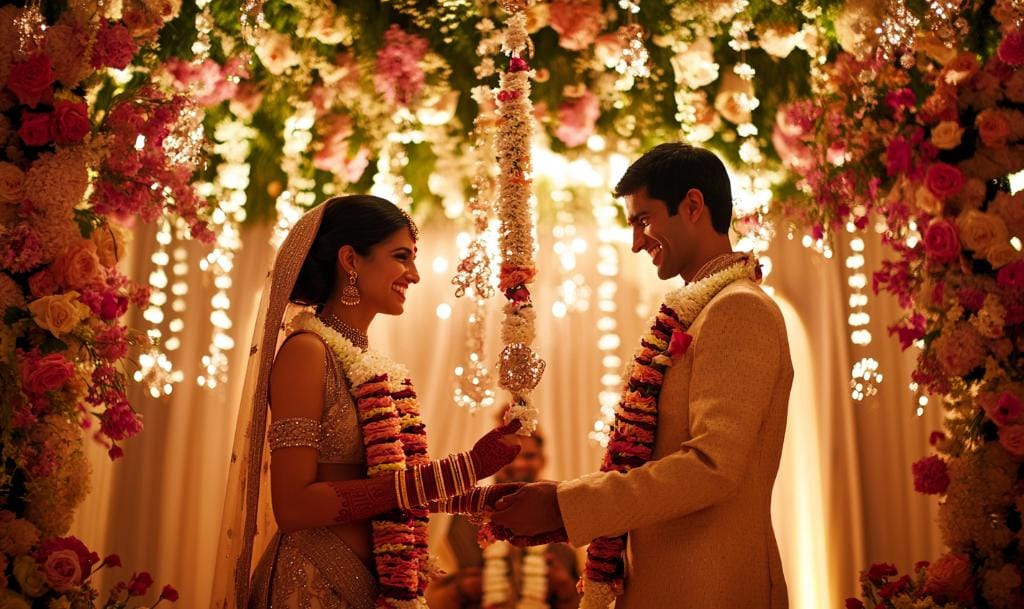
The Hindu wedding encompasses numerous rituals, each serving specific spiritual and cultural purposes. The ‘Saptapadi’, or seven steps, represents the couple’s commitment to support each other through life’s journey, with each step accompanied by specific vows that outline their mutual responsibilities. The ‘Mangalsutra’ ceremony, where the groom places a sacred necklace around the bride’s neck, symbolises the protective bond between husband and wife.
The exchange of garlands, known as ‘Varmala’ or ‘Jaimala’, represents the mutual acceptance between the couple and their families. The ‘Kanyadaan’ ceremony, where the bride’s father places her hand in the groom’s, represents the formal transfer of responsibility while invoking blessings for the couple’s future happiness.
Understanding these ceremonial elements helps couples and their families make informed decisions about which traditions hold the most significance for their particular celebration. The flexibility within Hindu tradition allows for personalisation while maintaining the ceremony’s essential spiritual character.
The Sacred Mandap: Heart of Hindu Wedding Celebrations
Mandap Meaning and Spiritual Significance
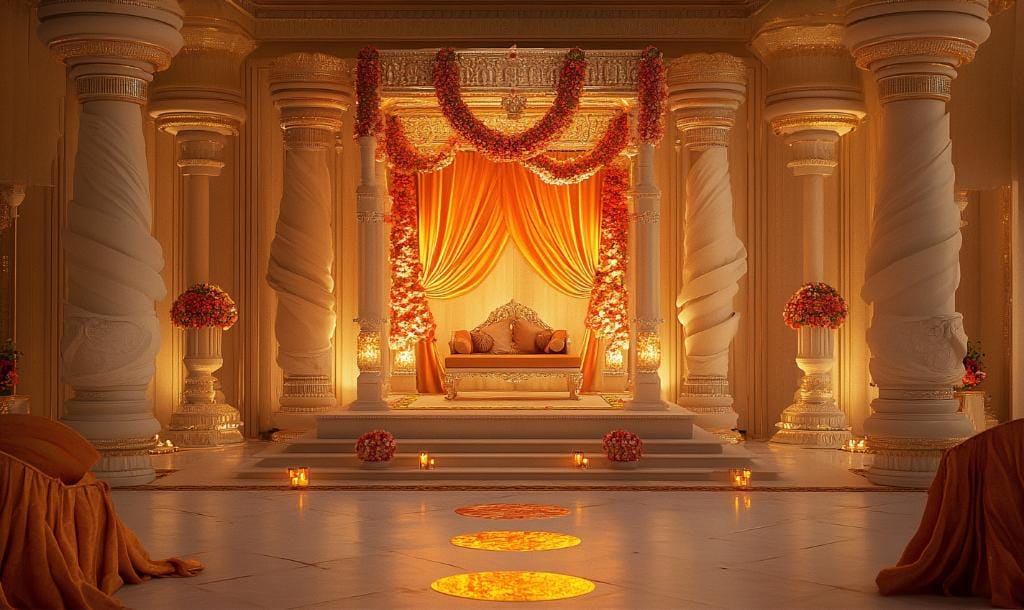
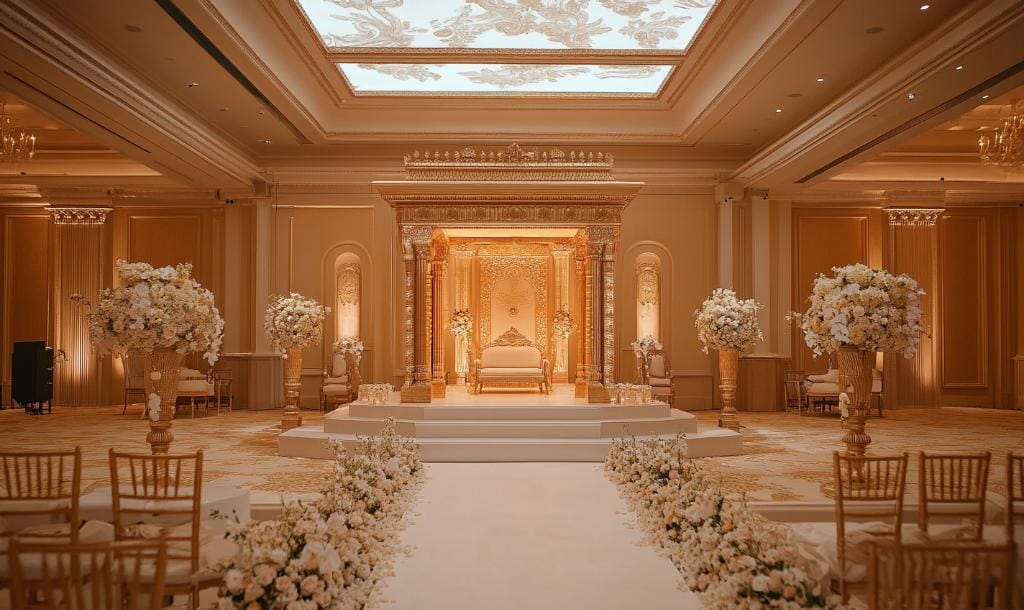
The mandap holds profound spiritual significance within Hindu wedding traditions, serving as the sacred space where the marriage ceremony unfolds under divine protection. The mandap’s meaning extends beyond its physical structure to represent the cosmos itself, with four pillars symbolising the parents of both bride and groom, who support the couple as they begin their married life together. This architectural element creates a sanctified space that separates the wedding ceremony from the surrounding celebration.
Traditional construction follows specific Vedic principles, with attention paid to direction, materials, and decorative elements that enhance the spiritual atmosphere. The use of specific woods, sacred symbols, and careful arrangement of ceremonial items all contribute to creating a space that feels both beautiful and spiritually significant. For Hindu families in London, understanding these requirements helps inform decisions about mandap hire and decoration.
The temporary nature of this sacred structure carries its symbolic meaning, representing the impermanence of physical structures whilst highlighting the eternal nature of the spiritual bond being created.
Mandap Decoration and Contemporary Interpretations
Mandap decoration has evolved significantly to accommodate contemporary aesthetic preferences whilst maintaining traditional symbolic elements. Traditional decorations typically feature abundant fresh flowers, particularly marigolds, roses, and jasmine, arranged in patterns that reference ancient artistic traditions. The use of rich fabrics, often in auspicious colours like red, gold, and saffron, creates visual depth whilst incorporating elements that carry specific cultural significance.
Contemporary Hindu wedding mandap decoration often blends these traditional elements with modern design sensibilities, creating structures that feel both authentic and current. Many families choose to incorporate personal elements, such as family photographs or heirloom textiles. The result is often a stunning centrepiece that serves both ceremonial and aesthetic purposes.
For families considering this sacred hire in London, specialists have developed expertise in creating these structures within contemporary venues, understanding both traditional requirements and practical considerations of constructing these ceremonial spaces in various settings.
Pre-Wedding Hindu Wedding Traditions
Engagement and Early Celebrations
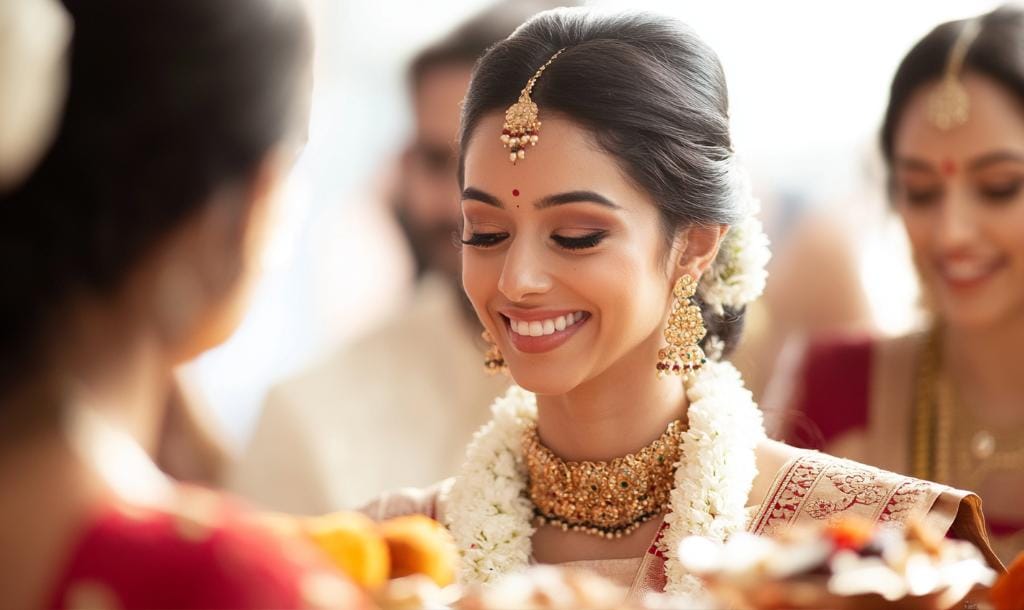
Hindu wedding traditions begin long before the main ceremony, with engagement celebrations that formally announce the couple’s intention to marry, whilst involving both families in the planning process. The ‘Roka’ ceremony represents the formal acceptance of the match by both families, often accompanied by the exchange of gifts and sweets that symbolise the sweetening of relationships between the two households.
The ‘Sagai’ or formal engagement ceremony involves the exchange of rings and the presentation of more substantial gifts between families. This celebration often serves as the first major gathering that brings both extended families together, setting the tone for the main wedding celebrations to follow.
Many families use these pre-wedding celebrations to establish relationships with vendors and venues for the main wedding celebrations, allowing for better coordination across multiple events.
Ceremonial Preparations and Ritual Significance
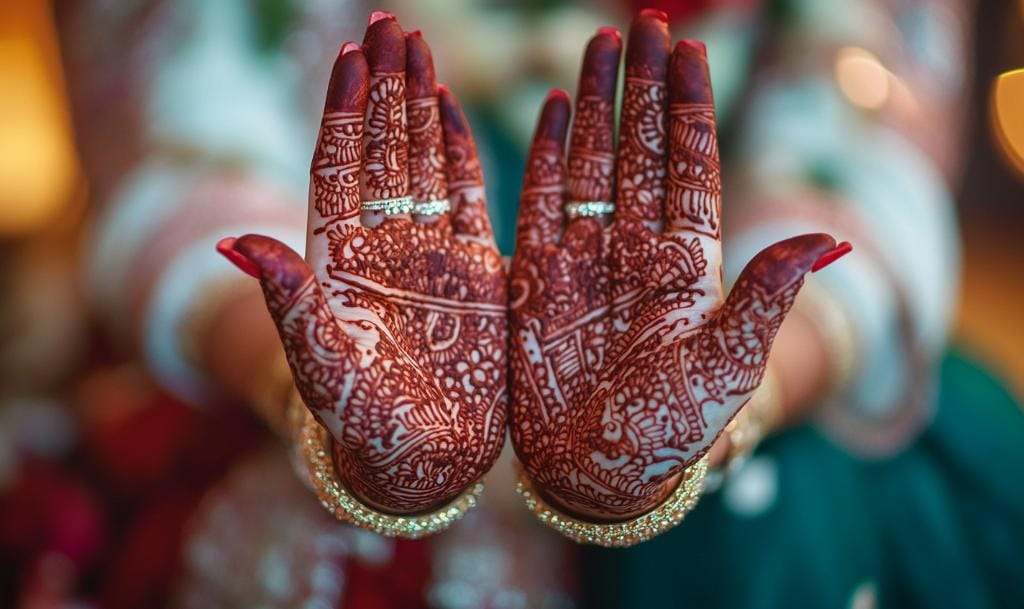
The weeks leading up to a Hindu wedding involve numerous preparatory rituals that enhance the spiritual significance of the main ceremony, whilst involving family members in meaningful ways. The ‘Mehndi’ ceremony, where intricate henna designs are applied to the bride’s hands and feet, serves both decorative and spiritual purposes, with the depth of colour achieved believed to indicate the strength of love between the couple.
The ‘Haldi’ ceremony involves the application of turmeric paste to both bride and groom in separate celebrations that precede the wedding day. This ritual serves practical purposes, as turmeric is believed to beautify the skin whilst providing spiritual protection.
‘Sangeet’ celebrations have become increasingly elaborate, featuring choreographed dance performances and professional entertainment showcasing both traditional and contemporary music. These events serve as cultural bridges, introducing guests from different backgrounds to Hindu musical traditions whilst creating inclusive celebrations.
Contemporary Hindu Wedding Planning in London
Adapting Traditions for Modern Celebrations
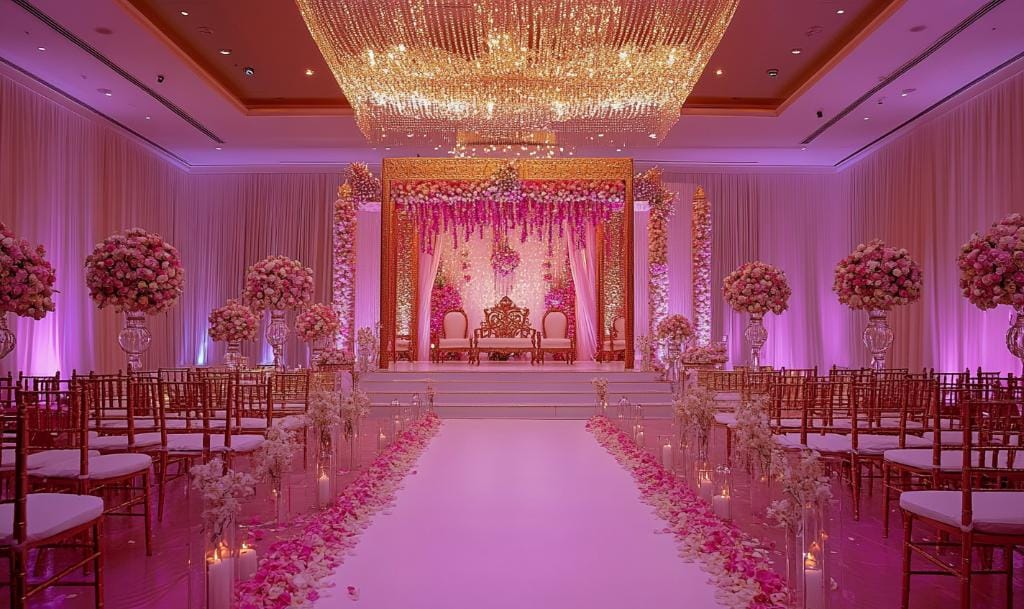
Planning a Hindu wedding in London requires a careful balance between honouring traditional requirements and accommodating contemporary expectations. Modern Hindu couples often seek to preserve the spiritual essence of their traditions whilst creating celebrations that reflect their personal style and the multicultural reality of their lives.
Venue selection becomes particularly important, as the space must accommodate not only large guest lists but also specific ceremonial requirements. The venue must provide appropriate space for the mandap ceremony construction whilst offering flexibility for multiple events that may span several days. Many London venues have developed expertise in hosting Hindu celebrations, understanding the specific requirements whilst providing elegant settings.
Timing considerations often involve consulting with priests and astrologers to identify auspicious dates whilst coordinating with venue availability and family schedules.
Creating Inclusive Celebrations
Modern Hindu weddings in London typically welcome guests from diverse cultural backgrounds, creating opportunities to share Hindu traditions with friends and colleagues who may be experiencing these celebrations for the first time. This reality influences decisions about everything from Hindu wedding invitation wording to ceremony explanations and menu selections.
The integration of multiple languages often becomes important for Hindu wedding invitations, which may include text in Hindi, Sanskrit, and English. These invitations serve as the first introduction to the celebration’s cultural elements, setting expectations about dress codes.
Contemporary planning often involves creating comprehensive experiences that honour traditions whilst ensuring comfort for all participants. This includes providing seating for elderly guests, offering explanations of ceremonial elements, and creating menu options that accommodate various dietary preferences whilst maintaining authentic flavours.
Key Takeaways
Hindu wedding traditions offer profound spiritual meaning whilst creating opportunities for spectacular celebrations that honour ancestral heritage within contemporary British life. The intricate ceremonies, elaborate decorations, and meaningful rituals combine to create experiences that transcend simple social gatherings, establishing sacred bonds whilst bringing families together in joyful celebration.
The complexity of planning authentic celebrations requires understanding, expertise, and careful attention to both traditional requirements and modern preferences. From selecting appropriate venues that can accommodate sacred ceremonial construction to coordinating pre-wedding celebrations, every element contributes to creating meaningful experiences that honour the past whilst celebrating the future.
Whether you’re beginning to plan your celebration or seeking to understand these beautiful traditions, the key lies in thoughtful consideration of which elements hold the most significance whilst finding creative ways to honour heritage within contemporary settings. The result should be a celebration that feels both authentically traditional and personally meaningful.
Ready to begin planning your own exquisite Hindu wedding celebration in London? Our experienced team understands the intricate requirements of traditional ceremonies whilst providing the contemporary elegance that modern couples desire. Contact us today to discuss how we can help create your perfect celebration that honours your heritage whilst exceeding your contemporary expectations.