
A Nigerian wedding represents far more than a union between two individuals; it embodies the magnificent convergence of families, ancestral traditions, and vibrant cultural heritage. For Nigerian families across London and the broader United Kingdom, these celebrations serve as profound expressions of identity while seamlessly incorporating contemporary British influences.
This comprehensive guide explores the intricate elements that transform a traditional Nigerian wedding into an unforgettable luxury celebration, honouring cultural authenticity while navigating the sophisticated requirements of hosting such momentous occasions in the UK.
The planning of a wedding requires exceptional attention to detail, cultural sensitivity, and an understanding of the profound significance these celebrations hold within Nigerian communities. From the elaborate traditional ceremonies that precede the main celebration to the spectacular reception festivities, every element carries meaning and requires thoughtful consideration.
Learn more about weddings at Cavendish Banqueting.
Understanding Nigerian Wedding Traditions and Their Cultural Significance
Nigerian wedding celebrations encompass a rich tapestry of customs that vary significantly across the country’s diverse ethnic groups. These traditions have been carefully preserved and adapted by diaspora communities, creating unique celebrations that maintain cultural authenticity while accommodating contemporary sensibilities.
The Foundation of Traditional Nigerian Wedding Ceremonies
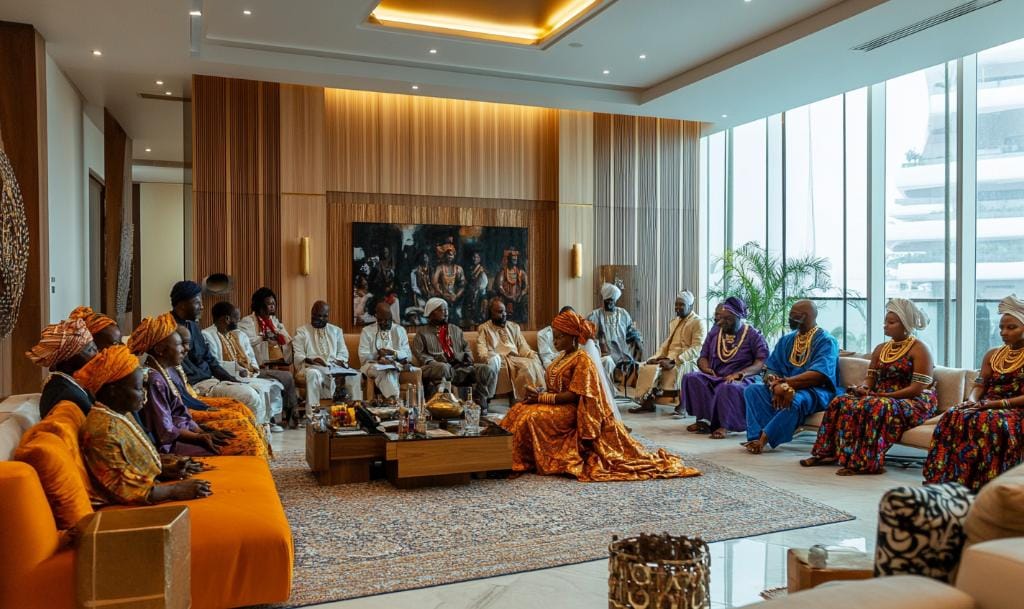
The traditional wedding serves as the cornerstone of the entire celebration, often preceding the white wedding ceremony by several days. This ceremony focuses on the formal introduction of families and the blessing of the union according to ancestral customs. Each ethnic group, Yoruba, Igbo, Hausa, and others, brings distinct ceremonial elements that reflect their unique cultural heritage.
The Yoruba traditional wedding centres around the symbolic presentation of the bride to the groom’s family, featuring the iconic moment when the bride searches through a group of veiled men to identify her future husband.
The Igbo traditional wedding incorporates the wine-carrying ceremony, where the bride demonstrates her choice by offering palm wine to her intended spouse. Hausa traditional ceremonies emphasise family honour and community blessing, often featuring elaborate gift exchanges between families.
These ceremonies require venues that can accommodate specific cultural requirements, including space for traditional music, dance performances, and the presentation of ceremonial items. The atmosphere must reflect the solemnity of ancestral traditions while providing the comfort and elegance expected by sophisticated families.
Essential Elements of Nigerian Traditional Wedding Celebrations
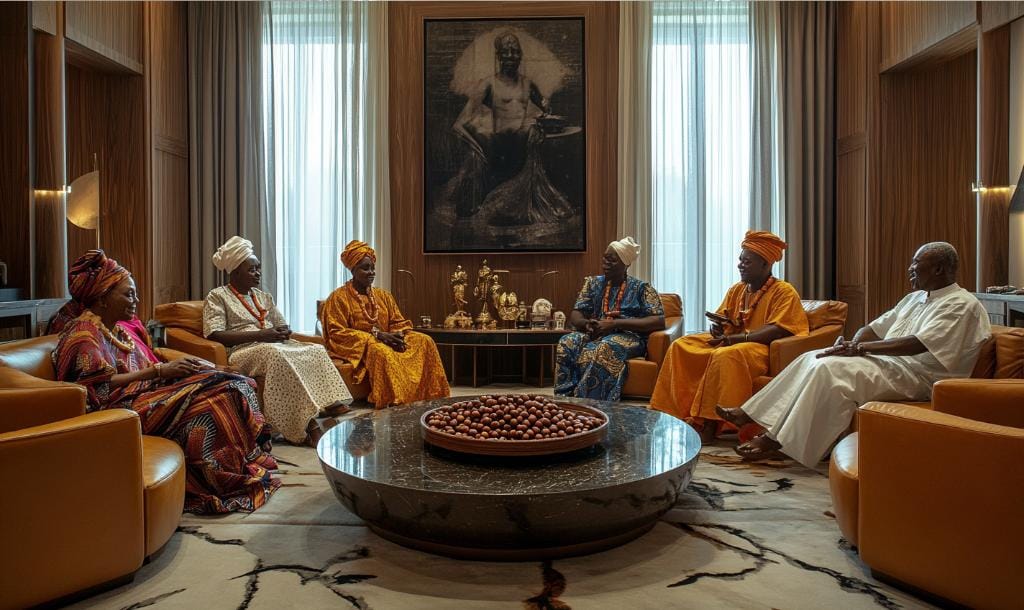
Every authentic traditional Nigerian wedding incorporates specific elements that cannot be overlooked without diminishing the ceremony’s cultural significance. The kola nut ceremony represents hospitality and welcome, requiring formal presentation and blessing by family elders.
Traditional prayers and libations connect the celebration to ancestral spirits, often requiring designated spaces for these sacred moments.
The presentation of the bride price, while handled with discretion in contemporary celebrations, remains an important cultural element that acknowledges the value placed on marriage within Nigerian communities. Music and dance form integral components, with live drummers and traditional musicians creating the authentic soundscape that transforms venues into cultural celebrations.
The space must accommodate energetic dancing, including the spectacular money spray tradition where guests shower the couple with cash while dancing.
Nigerian Wedding Attire: Magnificence in Traditional Dress
The splendour of Nigerian wedding attire represents one of the most visually spectacular aspects of these celebrations. The elaborate costumes serve as expressions of cultural pride, family status, and artistic heritage, often requiring months of preparation and significant investment.
Traditional Bridal Attire Across Nigerian Cultures
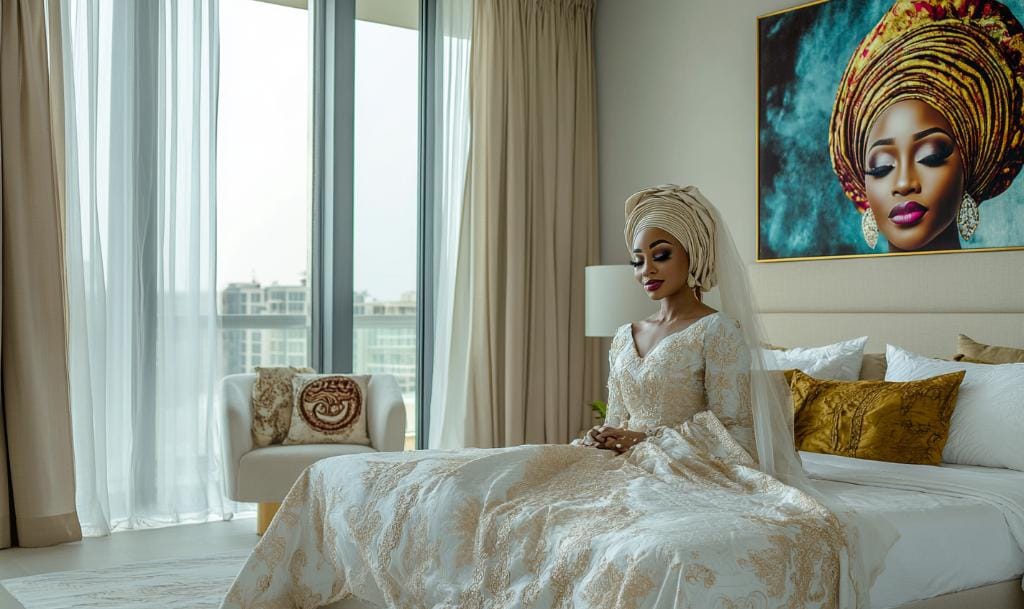
Nigerian wedding dress traditions vary dramatically across ethnic groups, each featuring distinctive elements that reflect cultural identity. Yoruba brides traditionally wear elaborate gele (head wraps) created from aso-oke fabric, paired with flowing buba and iro ensembles in rich colours.
The art of gele tying requires exceptional skill, often necessitating professional assistance to achieve the dramatic sculptural effects that frame the bride’s face magnificently.
Igbo brides traditionally wear coral beads as symbols of royalty and prosperity, wearing elaborate necklaces, anklets, and wrist decorations alongside their traditional George wrapper and blouse. Hausa brides wear stunning zani (traditional robes), often heavily embellished with gold thread embroidery, paired with elaborate head coverings that reflect Islamic influences within Hausa culture.
The complexity and weight of traditional wedding attire require careful consideration when planning celebrations. Venues must provide appropriate changing facilities, and schedules must accommodate the time required for the bride to transform between different cultural presentations throughout the celebration.
Contemporary Interpretations of Nigerian Wedding Attire
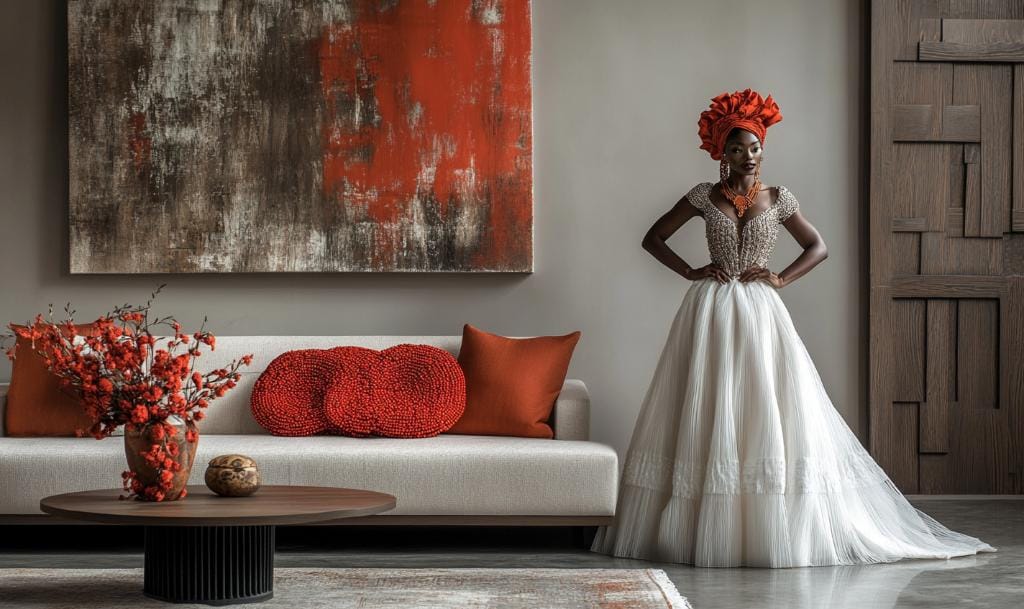
Modern Nigerian brides increasingly embrace fusion approaches that honour tradition while incorporating contemporary elegance. Designer interpretations might feature traditional silhouettes created in luxury fabrics or contemporary cuts that incorporate traditional embroidery and beadwork.
Many couples choose to work with specialist designers who understand both traditional requirements and contemporary aesthetics, creating bespoke pieces that reflect personal style while maintaining cultural authenticity.
The groom’s Nigerian wedding attire traditionally features elaborate agbada robes for Yoruba celebrations, senator suits for Igbo ceremonies, or flowing babanriga for Hausa traditions.
Planning Your Luxury Nigerian Wedding Celebration
Orchestrating a luxury wedding requires exceptional organisational skills and cultural understanding. These celebrations often span multiple days, incorporate hundreds of guests, and demand seamless coordination between traditional elements and contemporary expectations.
Creating Comprehensive Nigerian Wedding Timelines
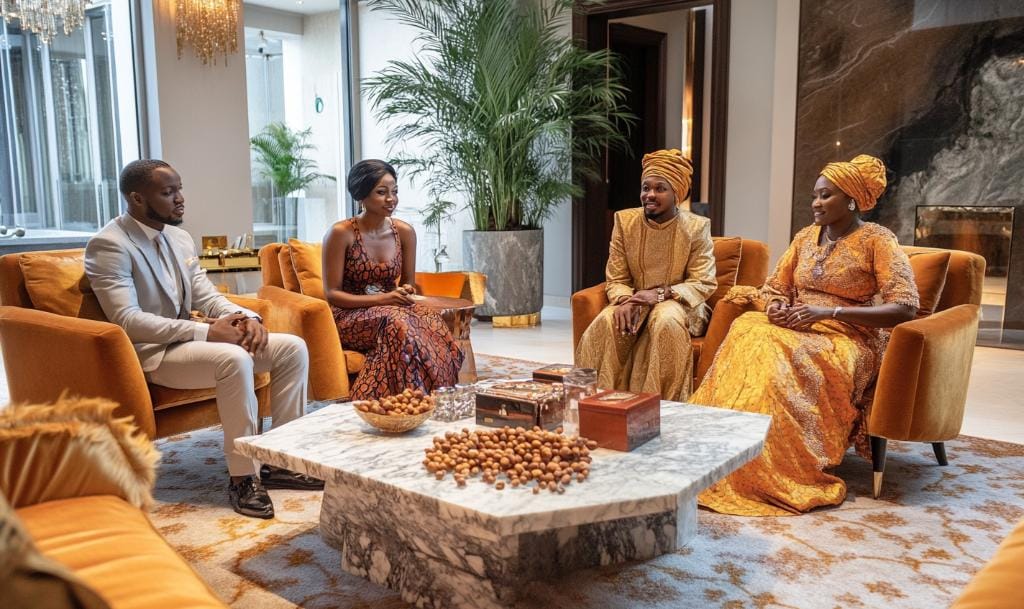
Successful Nigerian wedding planning begins with understanding the extended nature of these celebrations. Traditional ceremonies typically occur days before the white wedding, requiring coordination of multiple venues, vendors, and family schedules. Each element requires specific preparation time, particularly the elaborate Nigerian traditional wedding ceremonies that feature multiple costume changes, ceremonial presentations, and family rituals.
The coordination between traditional and contemporary elements requires exceptional communication skills and cultural sensitivity. Families often hold strong opinions about traditional elements, while younger generations might prefer contemporary approaches, requiring diplomatic navigation to create celebrations that satisfy all stakeholders.
Selecting Appropriate Venues for Nigerian Wedding Celebrations
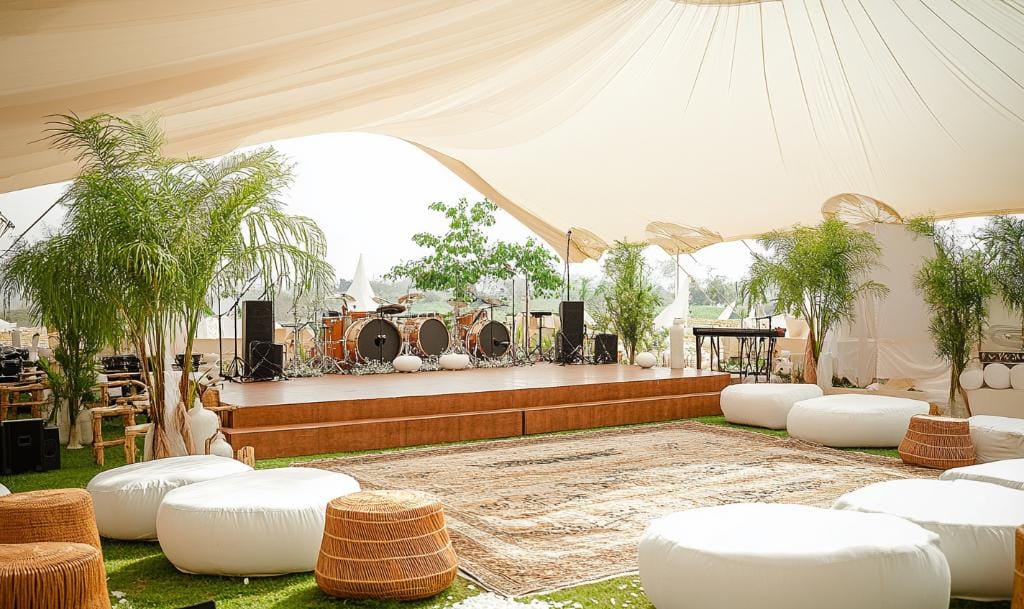
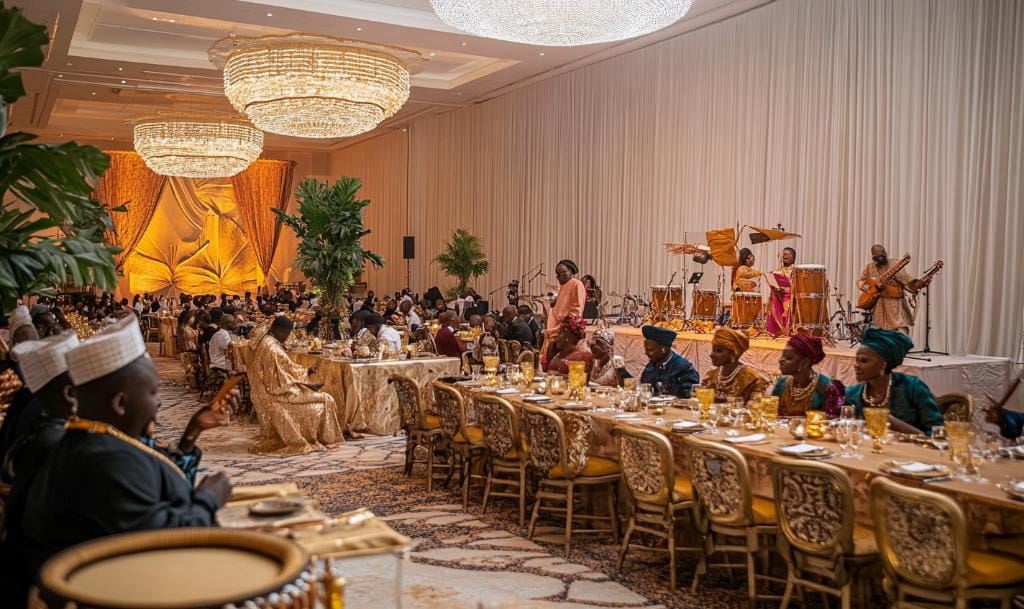
The venue selection for a Nigerian wedding must accommodate significantly larger guest counts than typical British celebrations, often hosting 400-800 guests or more. The space must provide areas for ceremonial elements, including stages for traditional presentations, dance floors capable of accommodating energetic celebrations, and facilities for elaborate catering requirements.
Sound systems must be capable of supporting live traditional music, including talking drums and other cultural instruments, while also accommodating contemporary music for reception dancing. The venue must also accommodate the logistical requirements of large-scale cultural celebrations, including adequate parking for numerous guests and washroom facilities appropriate for the volume of attendees.
Cultural Elements and Modern Luxury Integration
Contemporary Nigerian weddings masterfully blend ancestral traditions with luxury celebration elements, creating unique experiences that honour heritage while embracing modern sophistication.
Incorporating Traditional Music and Entertainment
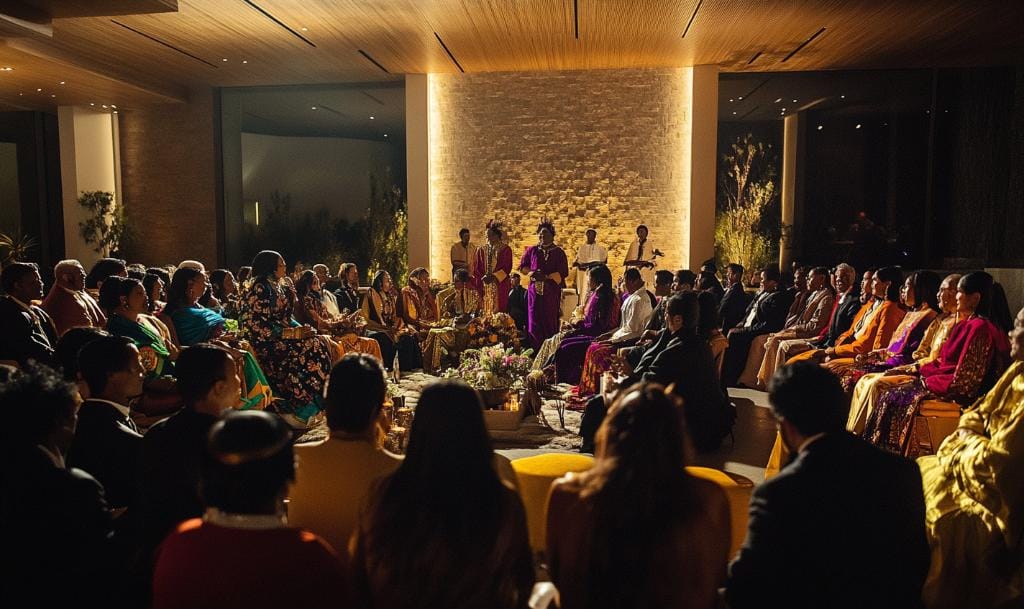
The musical landscape of Nigerian wedding celebrations features a rich blend of traditional and contemporary elements. Live drummers provide the authentic rhythmic foundation for traditional ceremonies, while contemporary DJs seamlessly transition between cultural classics and current hits that appeal to guests of all generations.
Traditional praise singers might perform during ceremonial elements, recounting family histories and offering blessings in indigenous languages. The integration of traditional dance performances often features family members of all ages participating in cultural expressions that connect generations.
Luxury Catering and Traditional Nigerian Cuisine
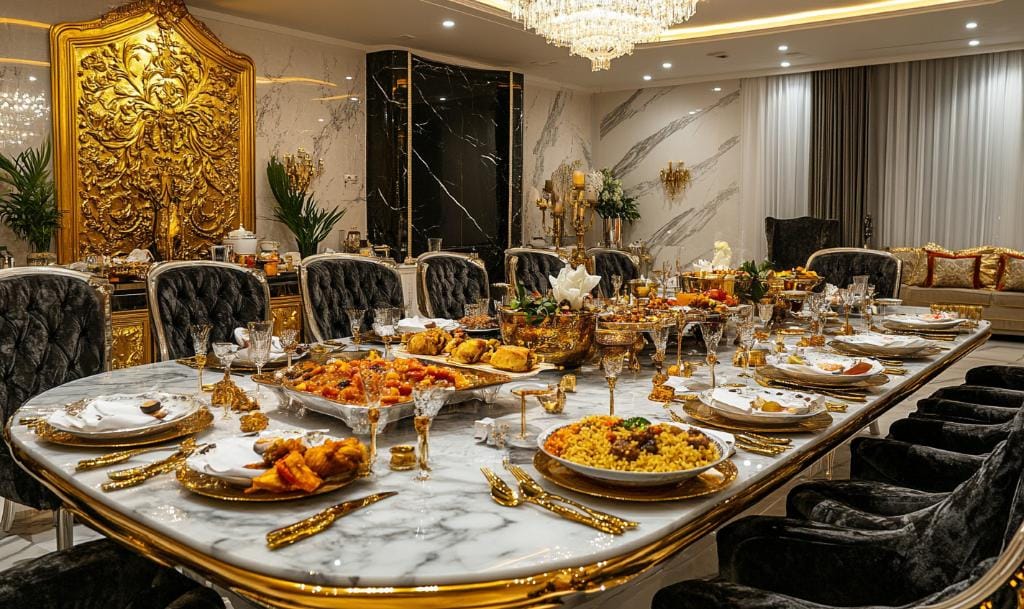
Nigerian wedding catering represents a spectacular fusion of traditional flavours and luxury presentation. Authentic dishes like jollof rice, pounded yam with various soups, and grilled meats must be prepared with expertise, while being presented with the elegance expected at luxury celebrations.
Many couples choose to feature regional specialities that reflect their family origins, requiring caterers with specific cultural knowledge and access to authentic ingredients. The integration of traditional palm wine ceremonies requires appropriate service protocols, while contemporary bar service provides familiar options for guests from diverse backgrounds.
Creating Memorable Wedding Experiences
The most successful weddings create lasting memories through thoughtful attention to both grand gestures and intimate details that honour cultural significance while providing luxury experiences for all guests.
Photography and Documentation of Cultural Elements
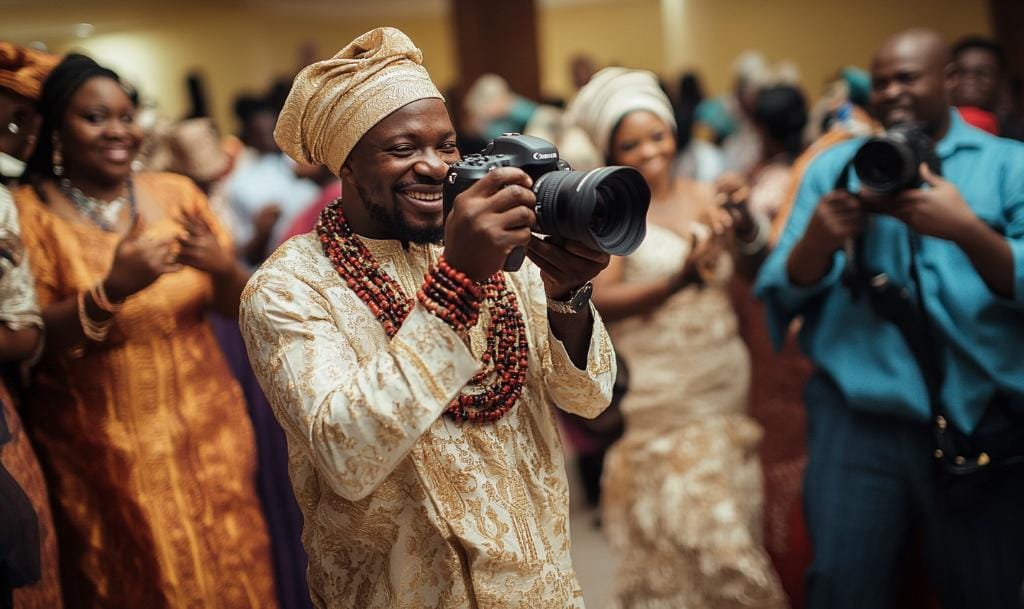
Professional photography for weddings requires an understanding of cultural significance and appropriate timing for various ceremonial elements. Traditional ceremonies feature specific moments that carry deep meaning, requiring photographers who can anticipate and capture these instances without disrupting sacred proceedings.
The documentation of elaborate wedding attire, ceremonial presentations, and family interactions requires technical skill and cultural sensitivity. Video documentation often includes traditional elements alongside contemporary celebration footage, creating comprehensive records that preserve cultural heritage for future generations.
Nigerian Wedding Traditions in Modern Context
Nigerian wedding traditions often centre around practical items that support the new household, alongside monetary gifts presented during the celebration’s dancing portions. The money spray tradition requires appropriate coordination and collection systems, while traditional gift presentations need ceremonial acknowledgement that honours the givers’ generosity.
Contemporary couples might create approaches that blend traditional expectations with modern lifestyle needs, maintaining cultural authenticity while accommodating contemporary celebration elements.
Key Takeaways
Nigerian weddings represent magnificent celebrations that honour rich cultural heritage while embracing contemporary luxury and sophistication. These extraordinary events require exceptional planning, cultural understanding, and attention to detail that respects traditional significance while creating unforgettable experiences for all participants.
The integration of ancestral customs with modern celebration elements creates unique occasions that strengthen cultural connections while building new family traditions. From the elaborate ceremonial elements that honour Nigerian heritage to the luxury reception celebrations that provide contemporary elegance, every aspect contributes to creating meaningful experiences that will be treasured for generations.
Ready to create your extraordinary Nigerian wedding celebration? Let us help you transform your vision into an unforgettable reality that your family will treasure forever.