The art of orchestrating a truly exceptional wedding celebration requires more than enthusiasm and good intentions; it demands meticulous planning, cultural sensitivity, and an understanding of how contemporary couples navigate the delicate balance between tradition and personal expression.
After decades of guiding families through wedding planning for their most significant celebrations, certain truths have emerged about what transforms a gathering into an unforgettable experience.
Wedding planning represents both an honour and a responsibility. When families entrust you with their dreams for what many consider life’s most important celebration, the weight of expectation sits alongside the joy of creation. Every decision, from the grandest ceremonial element to the smallest decorative detail, contributes to a narrative that will be remembered for generations. This comprehensive guide shares insights gleaned from hundreds of celebrations, offering practical wisdom for creating events that honour cultural heritage whilst embracing contemporary sophistication.
The most successful celebrations emerge from thorough preparation combined with cultural understanding. Whether planning a wedding that honours ancient traditions or designing contemporary celebrations that nod subtly to heritage, the foundation remains constant: attention to detail, respect for significance, and an unwavering commitment to creating experiences that reflect the couple’s unique story whilst honouring family expectations.
Strategic Wedding Planning Foundations
Establishing Your Planning Framework
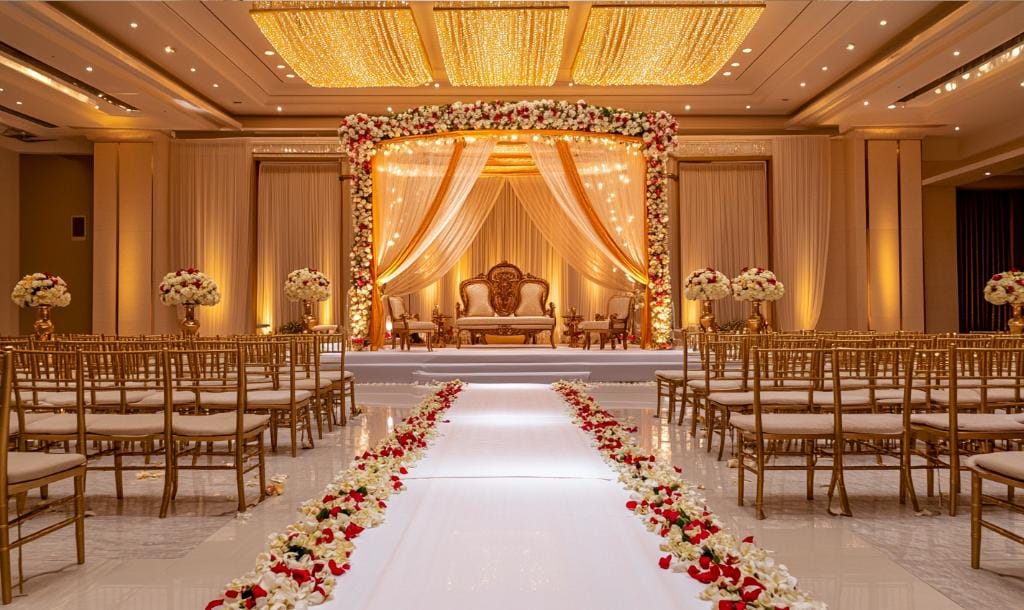
Successful wedding planning begins long before venue visits or vendor meetings. The foundation of any exceptional celebration rests upon clear communication between all parties involved, realistic timeline establishment, and a thorough understanding of both cultural requirements and contemporary preferences. A comprehensive wedding planning checklist becomes your roadmap through what can otherwise feel like an overwhelming journey.
The most effective approach involves creating a detailed plan for a wedding timeline that acknowledges the complexity of cultural celebrations while remaining flexible enough to accommodate the inevitable adjustments that arise. Begin by establishing non-negotiable elements, religious requirements, cultural traditions that must be honoured, and family expectations that cannot be compromised. These form the skeleton around which all other decisions can be structured.
Consider investing in a quality wedding planning book that addresses multicultural celebrations specifically. Whilst general planning guides provide excellent foundational advice, publications that understand the nuances of diaspora weddings offer invaluable insights into managing multiple ceremonies, accommodating larger guest lists, and navigating the beautiful complexity of blending traditions. These resources become particularly valuable when explaining requirements to vendors who may lack experience with cultural celebrations.
Creating Comprehensive Systems and Timelines
The complexity of cultural weddings necessitates systems that can accommodate multiple events, extensive guest lists, and numerous moving parts. Establish dedicated communication channels for different aspects of the celebration, ceremony coordinators, catering specialists, and family liaisons, each requires different information and updates. This systematic approach prevents confusion whilst ensuring nothing falls through the cracks.
Your wedding planning checklist should expand beyond typical Western ceremony requirements to include culture-specific elements: religious officiant coordination, traditional costume fittings, ceremonial equipment rental, and speciality food preparation timelines. Many couples find that cultural celebrations require approximately 30% more planning time than conventional weddings, simply due to the additional layers of complexity involved.
Document everything meticulously. From initial family meetings where expectations are discussed to final vendor confirmations, maintain detailed records that can be referenced throughout the planning process. This documentation proves invaluable when questions arise or when multiple family members need updates on specific aspects of the celebration.
Guest Experience and Spatial Design
Mastering the Wedding Seating Plan Strategy
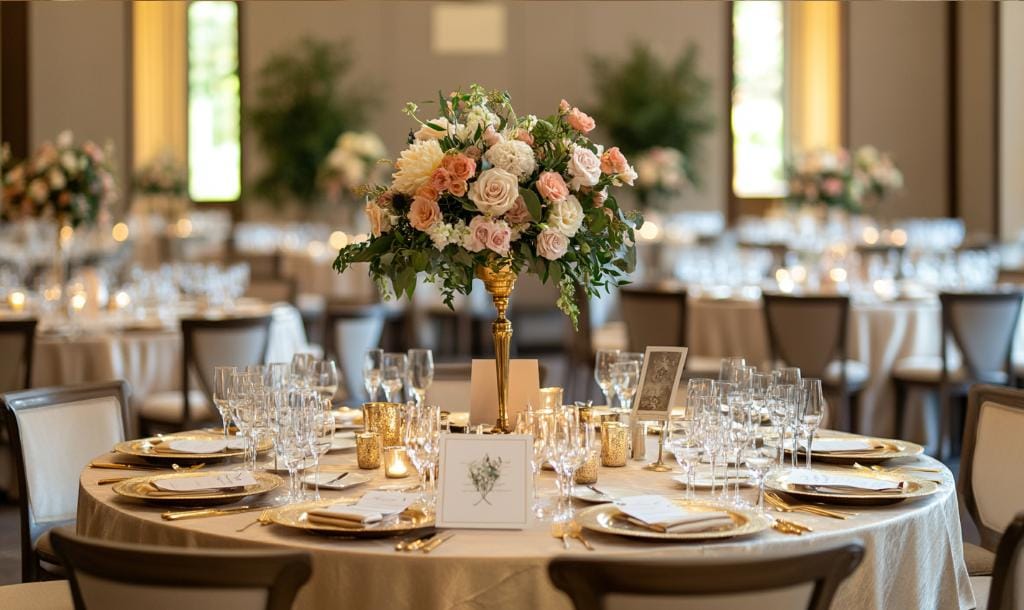
The wedding seating plan represents one of the most delicate aspects of cultural celebration planning. Unlike smaller Western gatherings, diaspora weddings often accommodate 300-500 guests spanning multiple generations, varying levels of English proficiency, and different cultural backgrounds. The challenge lies in creating arrangements that honour family hierarchies whilst encouraging social interaction and ensuring comfort for all attendees.
Begin your seating plan wedding approach by mapping family structures and understanding cultural protocols. Elderly relatives typically receive prominence near ceremonial areas, whilst younger guests might prefer tables closer to entertainment spaces. Consider dietary requirements when planning seating arrangements. Vegetarian guests, those requiring halal options, and individuals with specific cultural dietary restrictions should be seated where appropriate menu options are easily accessible.
Technology can assist with complex seating arrangements, but the human element remains crucial. Spend time understanding family dynamics, particularly potential tensions that might arise from historical disagreements or cultural differences. The most successful seating arrangements facilitate comfortable conversation whilst respecting cultural hierarchies and ensuring all guests feel welcomed and valued.
Optimising Space for Cultural Ceremonies
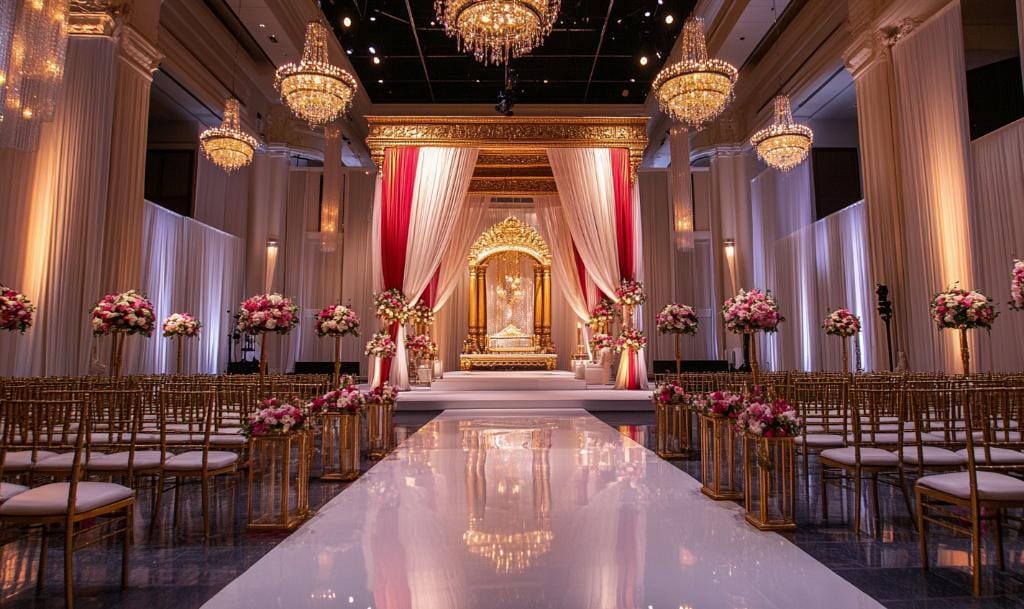
Cultural wedding celebrations require spatial flexibility that many conventional venues struggle to provide. Ceremonial elements like mandaps for Hindu weddings or performance areas for Nigerian celebrations need adequate space whilst maintaining appropriate sight lines for all guests. Consider how different ceremony phases will utilise the available space and plan accordingly.
The wedding aisle becomes particularly significant in cultural celebrations, often serving multiple purposes throughout the event. Unlike traditional Western ceremonies with single processionals, cultural weddings might feature multiple entrances, family presentations, and ceremonial movements that require careful choreography. Plan your wedding aisle design to accommodate these various uses whilst maintaining aesthetic coherence.
Wedding aisle decor and wedding aisle songs should reflect cultural significance whilst remaining practical for extended use. Traditional elements like flower petals scattered for Hindu ceremonies or fabric runners representing cultural textiles require materials that can withstand several hours of celebration. Consider how decorative elements will photograph and how they contribute to the overall atmosphere you’re creating.
Contemporary Celebration Elements
Embracing Small Wedding Ideas Within Cultural Contexts
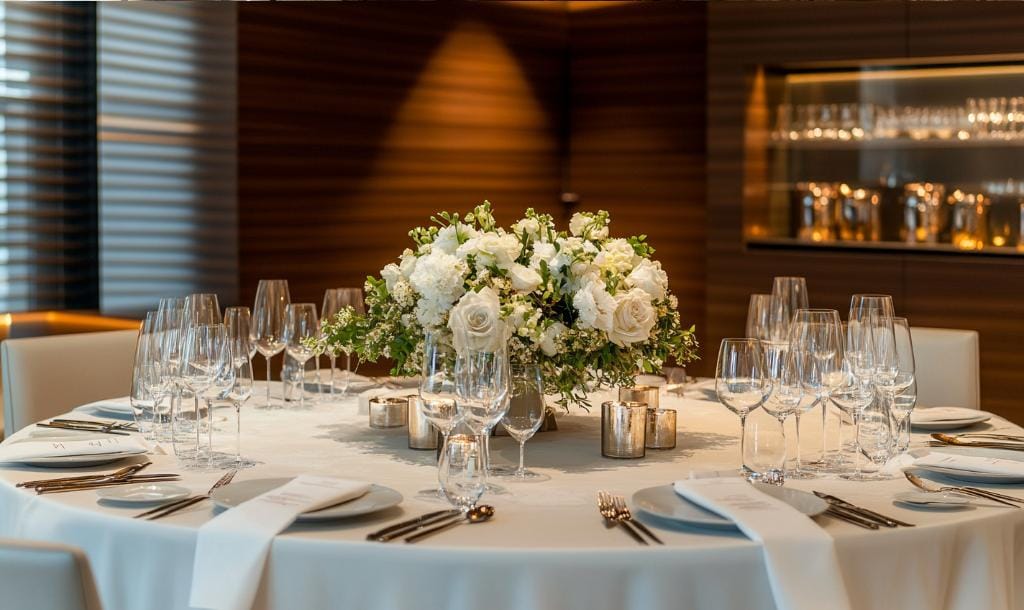
Whilst cultural celebrations traditionally embrace large gatherings, contemporary couples increasingly explore small wedding ideas that maintain cultural significance whilst creating intimate experiences. These scaled-down celebrations require particular skill in selecting which traditional elements to preserve and how to adapt ceremonies designed for large audiences to smaller, more personal settings.
Small cultural weddings often focus on immediate family and closest friends, but still require careful attention to traditional elements. Religious ceremonies cannot typically be abbreviated, but reception elements can be reimagined to suit smaller guest counts. Consider private dining experiences that showcase traditional cuisine in contemporary presentations, or intimate cultural performances that engage guests directly rather than entertaining large audiences.
The advantage of smaller celebrations lies in their ability to incorporate personalised elements that might be lost in larger gatherings. Custom touches, meaningful conversations with each guest, and detailed attention to individual preferences become possible when numbers are manageable. Many couples find that intimate cultural celebrations create deeper connections and more meaningful memories than grand public events.
Incorporating Current Wedding Trends 2025
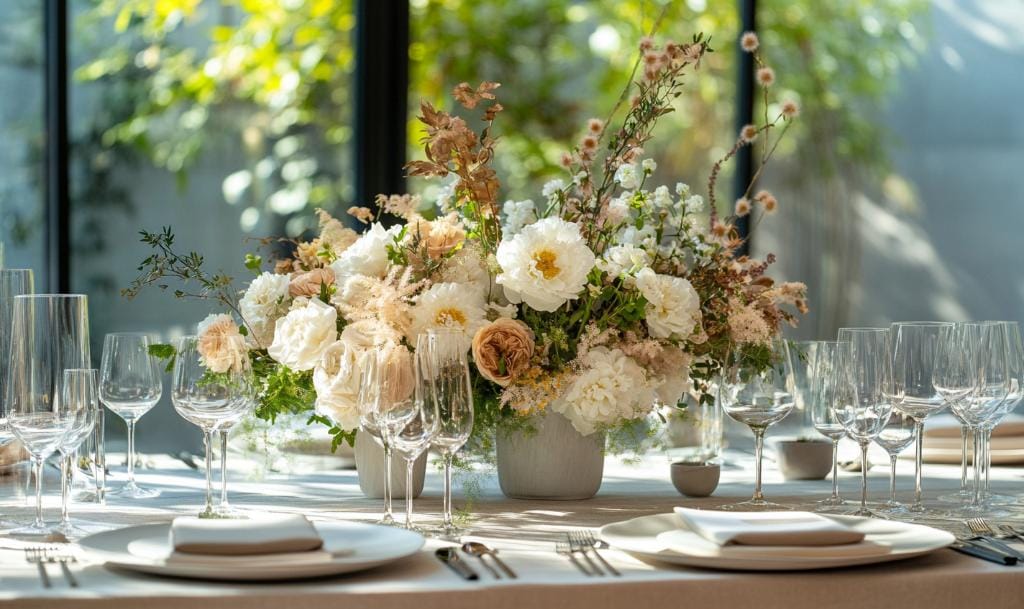
Contemporary wedding trends 2025 increasingly emphasise sustainability, personalisation, and authentic cultural expression, values that align beautifully with diaspora celebration priorities. Modern couples seek ways to honour their heritage whilst embracing current aesthetic sensibilities and environmental consciousness.
Sustainable celebration practices resonate particularly well with cultural values around community and respect for resources. Consider locally-sourced flowers that complement traditional blooms, eco-friendly transportation options for guest logistics, and waste reduction strategies that don’t compromise cultural food traditions. These approaches often result in more meaningful celebrations whilst addressing contemporary environmental concerns.
Technology integration represents another significant trend, with couples utilising digital elements to enhance rather than replace traditional aspects. Live streaming allows international family members to participate in ceremonies, whilst custom applications can guide guests through cultural elements they might not understand. The key lies in using technology to create inclusive rather than exclusive experiences.
Professional Documentation and Entertainment
Selecting Your London Wedding Photographer and Videography Team
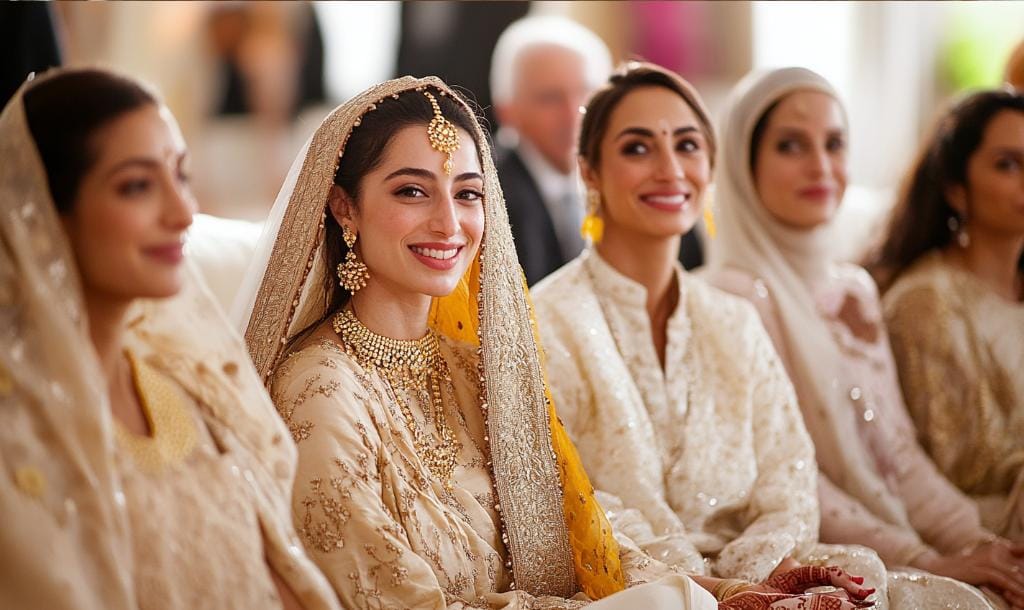
Choosing the right wedding photographer requires understanding both technical expertise and cultural sensitivity. A skilled London wedding photographer brings local knowledge alongside professional capabilities, understanding how to work within cultural celebration contexts whilst capturing the emotional significance of traditional ceremonies.
Cultural weddings present unique photographic challenges: multiple outfit changes, ceremonial elements that cannot be interrupted, varying lighting conditions throughout extended celebrations, and the need to capture both intimate family moments and grand ceremonial scenes. Your wedding photographer must understand these requirements whilst maintaining artistic vision and technical excellence.
The wedding videographer faces similar challenges with additional complexity around audio capture during multilingual ceremonies and the need to document extended celebration timelines. Consider how video documentation will serve future generations, many families treasure ceremony recordings as cultural heritage pieces that preserve traditions for children and grandchildren who might not otherwise experience these customs.
Designing Memorable Wedding Entertainment Experiences
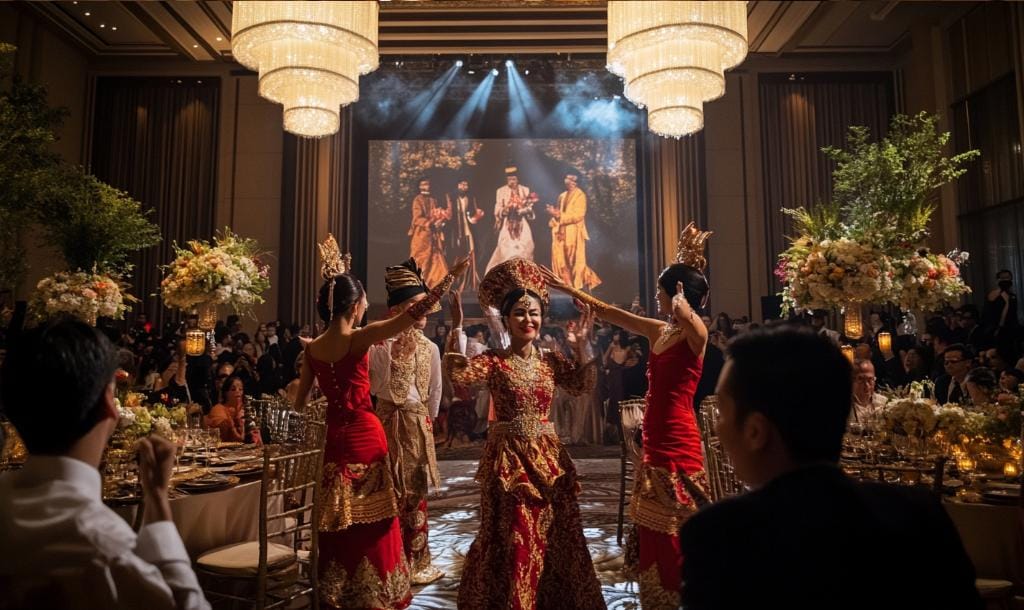
Wedding entertainment ideas for cultural celebrations extend far beyond typical reception dancing. Traditional performances, cultural music, and interactive elements that engage guests in heritage customs create memorable experiences that celebrate identity whilst ensuring all attendees feel included and entertained.
Consider layered wedding entertainment that acknowledges diverse guest backgrounds. Traditional musicians or dancers might perform during ceremony phases, whilst contemporary entertainment addresses reception portions. This approach honours cultural traditions whilst maintaining energy and engagement throughout extended celebration timelines.
Interactive elements work particularly well in cultural celebrations, where guest participation often forms part of traditional customs. Consider how entertainment can facilitate these interactions, whether through traditional dance instruction, cultural game incorporation, or performance elements that invite audience engagement. The most successful entertainment programmes create inclusive experiences that celebrate culture whilst ensuring all guests feel welcomed and engaged.
Practical Implementation Details
Essential Planning Tools and Resources
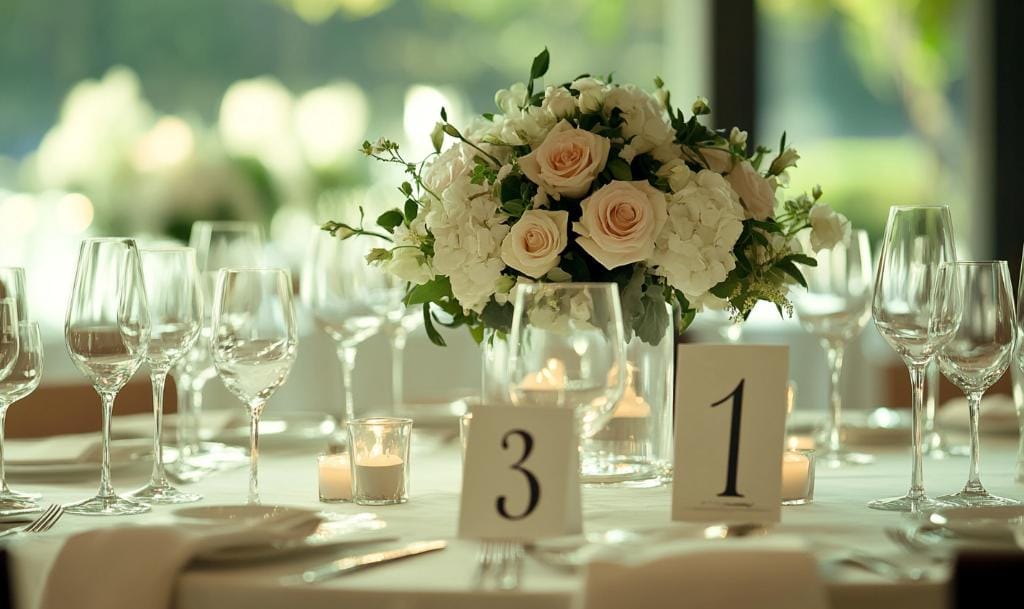
Efficient wedding planning requires tools that can accommodate the complexity of cultural celebrations. Wedding table numbers, whilst seemingly minor details, require consideration of multiple languages and cultural aesthetics. Traditional number systems, cultural symbols, or meaningful references can transform functional elements into celebration components.
Organisational systems must accommodate extended timelines, multiple vendors with varying cultural expertise, and family communication needs that span different languages and technological comfort levels. Digital planning tools should complement rather than complicate traditional family communication patterns, ensuring all stakeholders remain informed without overwhelming those less comfortable with technology.
Key Takeaways
Creating exceptional cultural wedding celebrations requires balancing reverence for tradition with contemporary sophistication, extensive planning with flexible adaptability, and family expectations with personal vision. The most memorable celebrations emerge from thorough preparation, cultural understanding, and unwavering attention to detail throughout the planning process.
The investment in professional planning guidance often proves invaluable for couples navigating these complex waters. Cultural celebrations carry emotional weight that extends far beyond the couple themselves; they represent family honour, cultural continuity, and community celebration that requires sensitive handling alongside meticulous organisation.
Ready to begin planning your dream cultural wedding celebration? Contact our specialist planning team to discuss how we can help create an unforgettable event that honours your heritage whilst reflecting your style. Our decades of experience with South Asian and Nigerian celebrations in London ensure your special day receives the cultural sensitivity and professional excellence it deserves.