Wedding vows often represent the most intimate moment of any marriage ceremony, transcending mere tradition to become the foundation upon which couples build their shared future. For London’s diverse communities, from South Asian to Nigerian families, crafting meaningful vows requires a delicate balance between honouring cultural heritage and expressing contemporary love stories.
The art of vow writing has evolved considerably, yet the fundamental purpose remains unchanged: declaring commitment publicly while capturing the essence of a unique partnership. Whether couples choose traditional wedding vows steeped in ancestral wisdom or contemporary expressions, the process demands thoughtful consideration and genuine reflection.
Learn more about Weddings at Cavendish Banqueting.
Throughout London’s vibrant multicultural landscape, couples increasingly seek guidance on creating vows that speak authentically while respecting family expectations. This comprehensive guide draws upon decades of experience supporting couples through this deeply personal yet publicly witnessed declaration.
Understanding Traditional Wedding Vows Across Cultures
Cultural heritage profoundly influences how couples approach their ceremony declarations. Each tradition brings specific linguistic patterns, symbolic references, and ceremonial expectations that inform the vow-writing process.
South Asian Vow Traditions and Expectations
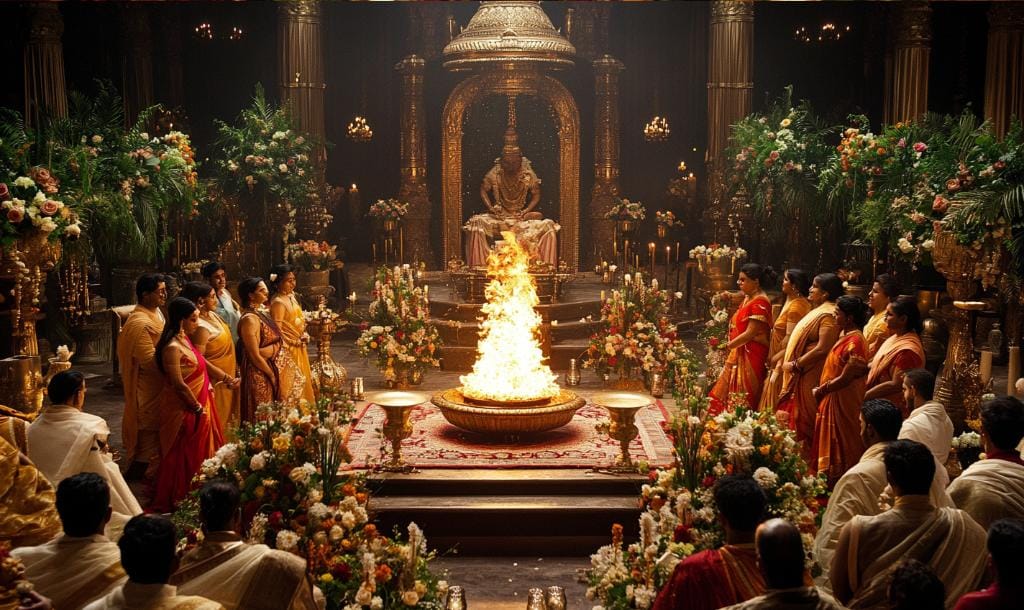
Traditional wedding vows within South Asian communities often incorporate Sanskrit phrases, religious references, and familial acknowledgements extending beyond the couple themselves. Hindu ceremonies include the Saptapadi (seven steps), where specific promises accompany each circumambulation of the sacred fire, addressing prosperity, strength, happiness, harmony, progeny, seasons, and friendship. These ancient commitments create a comprehensive framework that addresses both practical and spiritual dimensions of married life.
Sikh ceremonies centre around the Laavan, four verses from the Guru Granth Sahib sung while couples circle the holy book. These passages describe the soul’s journey towards divine union, metaphorically representing the couple’s spiritual journey together.
The beautiful poetry speaks of progression from worldly duties to ultimate spiritual unity. Muslim nikah ceremonies involve formal declarations witnessed by the imam and community, often referencing Quranic verses about marriage as “half of faith.” These ceremonies emphasise the sacred nature of the union while acknowledging community responsibility in supporting the new marriage.
Nigerian and West African Ceremonial Declarations
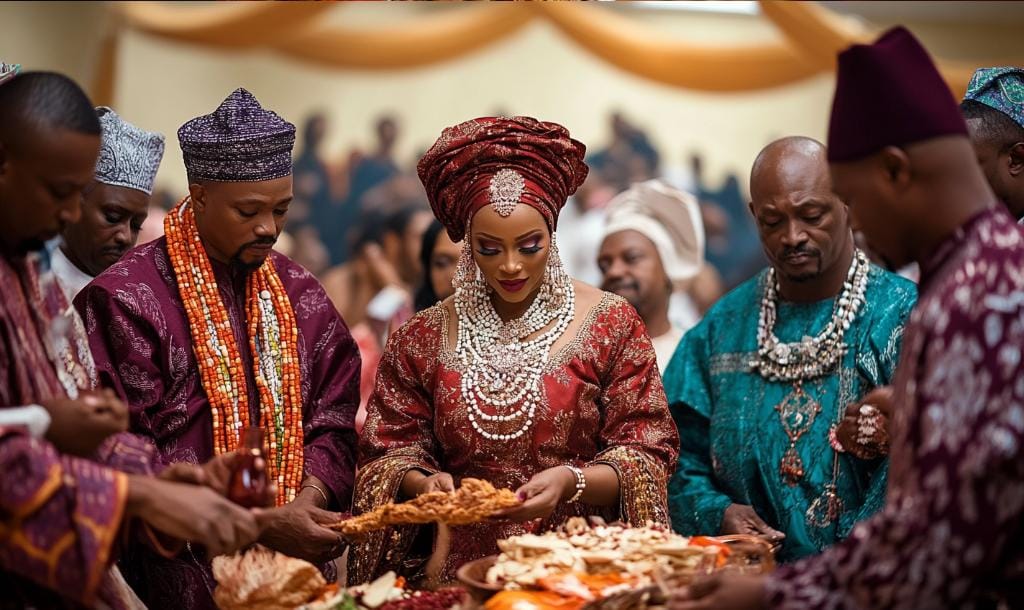
Nigerian wedding traditions vary significantly across ethnic groups, yet common themes emerge around family unity, prosperity, and spiritual blessing. Yoruba ceremonies include libation prayers invoking ancestral blessings upon the union. These elements often refer to the union of two families, rather than merely two individuals, reflecting the communal nature of marriage in West African cultures.
Igbo traditional weddings feature the wine-carrying ceremony, where brides locate their chosen partners among the gathered men, symbolically declaring their choice. This beautiful ritual demonstrates the bride’s agency in selecting her life partner while honouring family involvement.
Contemporary couples often supplement traditional selection with spoken vows articulating commitment in both English and Igbo languages, creating meaningful bridges between ancestral customs and personal expression.
Modern Approaches to Wedding Vows UK Style
Contemporary British couples from diaspora communities face unique opportunities in crafting wedding vows that reflect multicultural identities while maintaining cultural authenticity through personalised declarations.
Balancing Heritage with Personal Expression
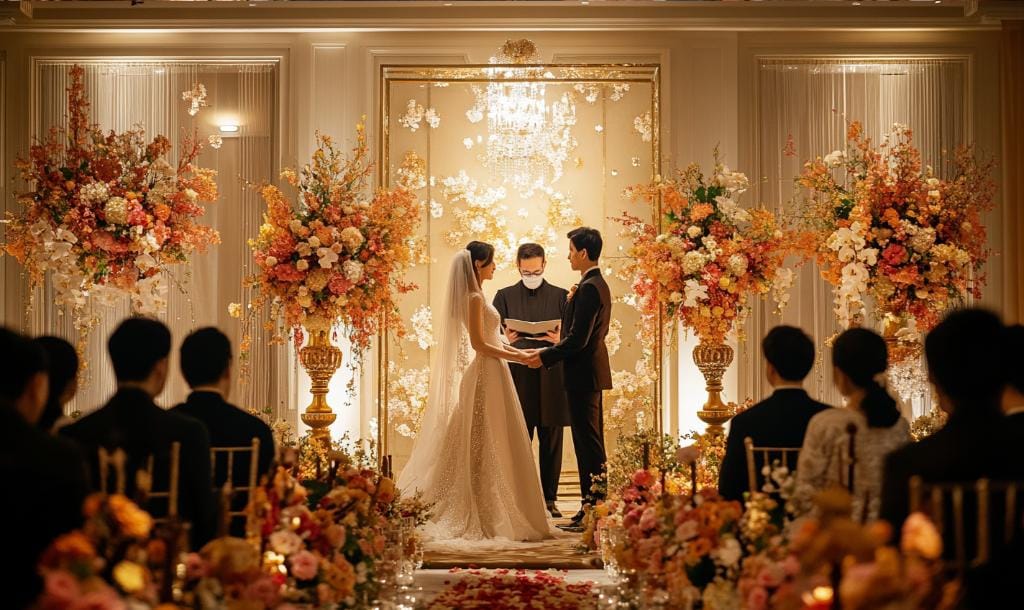
Meaningful modern vows often acknowledge cultural heritage while articulating individual love stories. This might involve opening with traditional phrases in ancestral languages before transitioning into personal English declarations. Many couples find this approach honours family expectations while expressing authentic voices.
When considering how to write wedding vows reflecting multicultural identities, couples benefit from examining their relationship’s cultural touchstones. Perhaps courtship involved traditional family introductions or bonding over shared cultural foods and music.
These elements provide authentic material for personalised declarations.
Incorporating Religious and Spiritual Elements
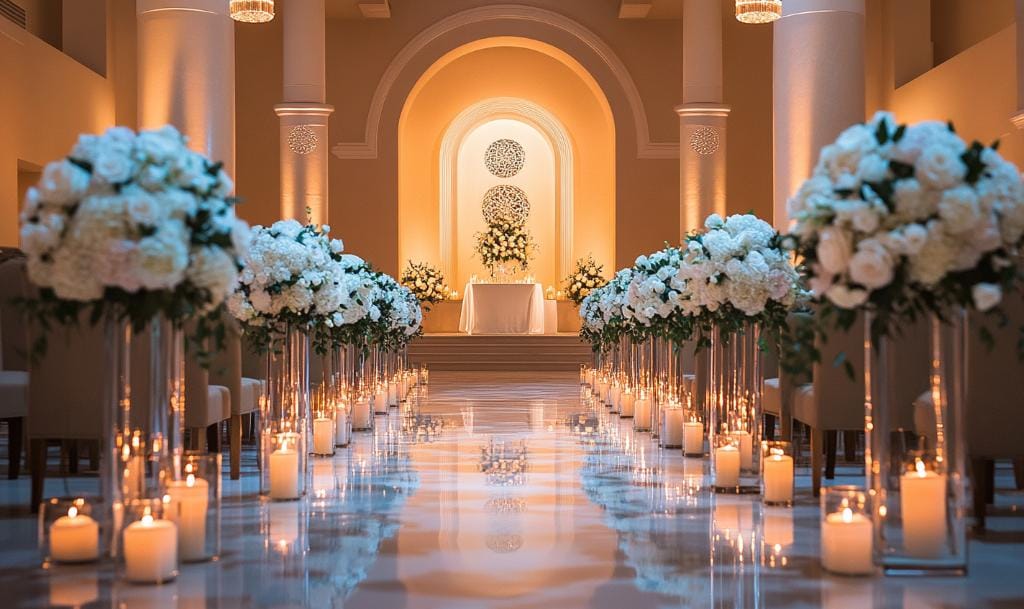
Religious references within contemporary vows range from direct scriptural quotations to subtle allusions acknowledging the spiritual dimensions of marriage. Hindu couples might reference samskaras (life ceremonies) and their significance in spiritual development. Christian couples from African backgrounds often incorporate biblical imagery while referencing cultural understanding of extended family bonds.
The key lies in selecting elements genuinely resonating with the couple’s spiritual journey rather than including references solely to satisfy family expectations.
Writing Personalised Wedding Vows for Him and Her
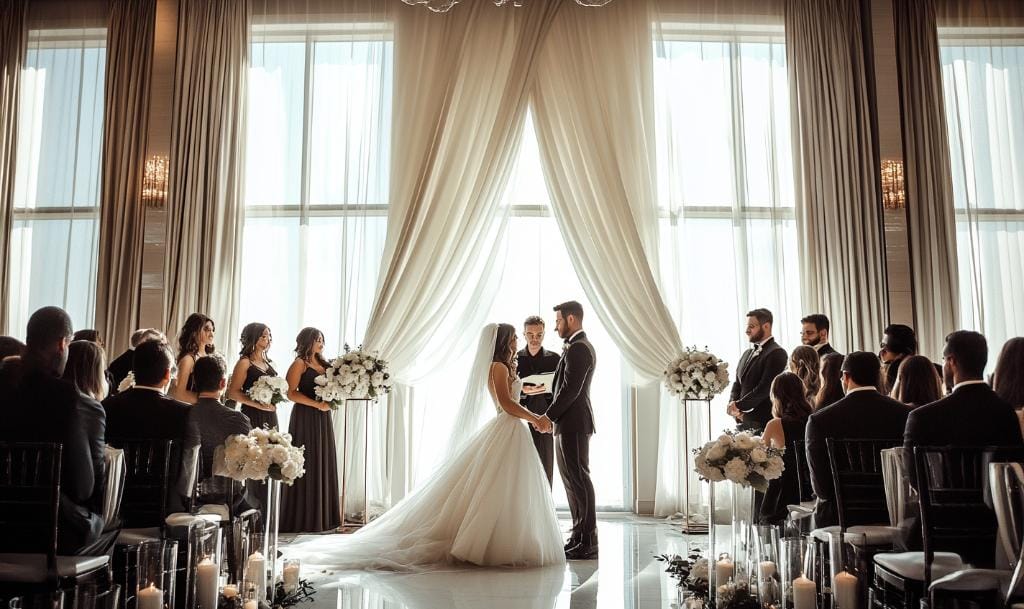
Gender-specific approaches to vow writing often reflect both cultural traditions and individual personalities, helping couples craft declarations that feel authentic while respecting traditional expectations.
Wedding Vows for Him: Masculine Expressions of Commitment
Traditional masculine vows often emphasise protection, provision, and leadership, concepts requiring thoughtful reinterpretation for contemporary partnerships. Modern wedding vows for him might acknowledge traditional expectations while expanding into emotional intimacy and partnership concepts.
Many men find success structuring vows around specific promises: “I promise to support your dreams, honour your independence, and create a home where our cultures blend beautifully.” This approach provides concrete commitments while avoiding overly sentimental language.
Wedding Vows for Her: Feminine Approaches to Declaration
Traditional feminine vows historically emphasised support, nurturing, and devotion, [themes contemporary women often reinterpret through partnership and mutual support lenses. Wedding vows for her in multicultural contexts might honour traditional concepts of feminine strength while asserting partnership equality.
Many women from diaspora communities navigate expectations between traditional gender roles and contemporary feminist values. Successful vows often acknowledge this tension while celebrating both individual strengths and partnership equality.
Wedding Vows Examples and Inspiration
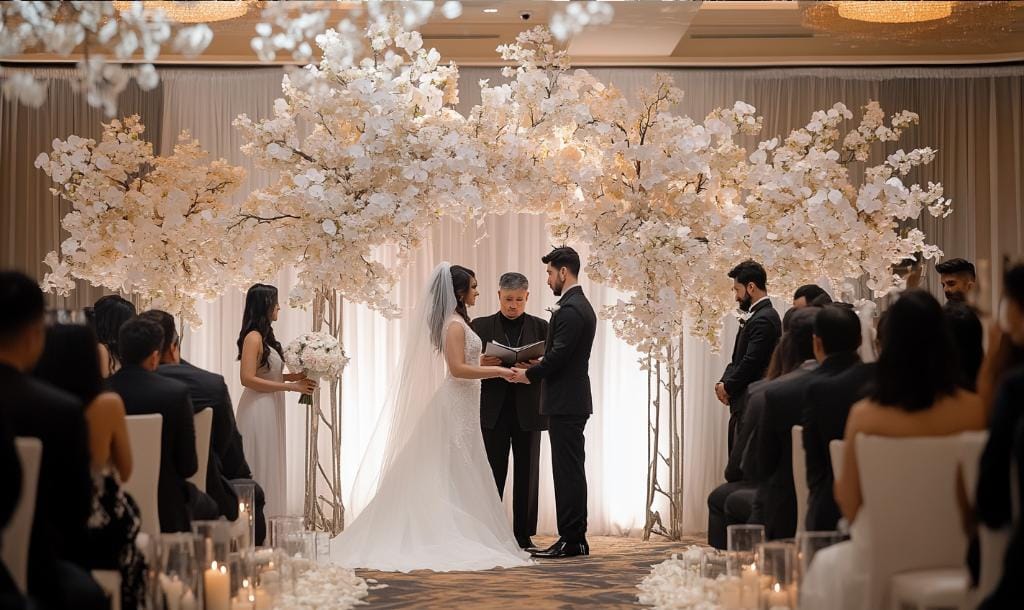
Examining successful examples provides valuable inspiration for couples crafting their declarations, demonstrating various approaches while illustrating key principles of effective vow writing.
Wedding Vows: Traditional Templates and Adaptations
Classic Christian vows, “to have and to hold, for better or worse, in sickness and in health”- provide a familiar structure many multicultural couples adapt. For instance: “I take you as my partner, to share our cultures, honour our families, support our dreams, in prosperity and challenge, for all our days.”
Hindu-inspired adaptations might reference the seven promises: “I promise to nourish your body and soul, support your aspirations, share life’s seasons with gratitude, remain faithful in thought and deed, and walk beside you on this sacred journey.”
Unique Wedding Vows Examples for Cultural Fusion
Contemporary fusion vows demonstrate creative approaches to cultural blending. One couple might declare: “I promise to love you in English and Urdu, to cook together the foods our grandmothers taught us, to raise children who know both heritage and home, and to dance at anniversary parties until we’re too old to lift our feet.”
Pakistani-British couples might incorporate Urdu phrases: “Tumhara saath hamesha, your companionship always, this is my promise. In London’s busy streets and peaceful moments, in celebrating Eid with family and quiet Sunday mornings, I choose you, I choose us.”
Nigerian-British couples often reference family unity: “Today, I don’t just marry you, I marry your family’s warmth, your culture’s music, your mother’s jollof recipe. I promise to honour these precious gifts while building our traditions in this city we call home.”
Practical Guidance: How to Write Wedding Vows That Resonate
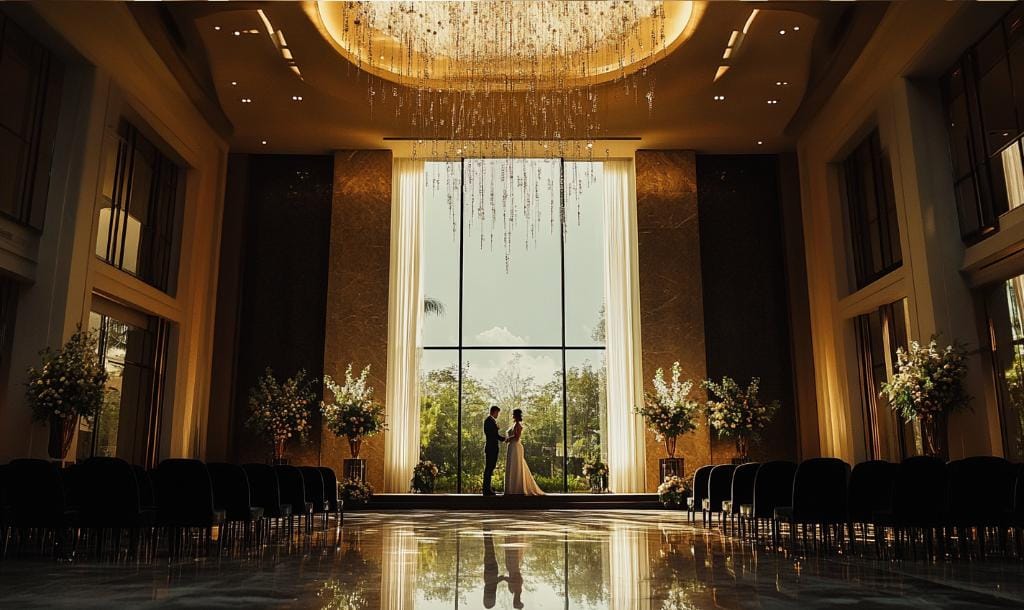
Technical aspects of vow writing often determine whether these important words achieve their intended emotional impact through proper structure, length, and delivery considerations.
Structure and Length Considerations
Effective wedding vows typically follow a three-part structure: acknowledging the journey to this moment, specific promises for the future, and a declaration of commitment. This framework provides coherence while allowing personal creativity.
Length proves crucial for maintaining audience attention and managing emotional intensity. Most successful vows range between 90 seconds and two minutes when spoken aloud, roughly 200-300 words, allowing meaningful content without overwhelming the couple or guests.
Language and Tone Guidelines
Tone should reflect the couple’s personality while respecting the ceremony’s solemnity. Humour can be effective when used sparingly, but overall tenor should acknowledge the significance of marriage vows as lifetime commitments witnessed by beloved community members. The most impactful vows strike a balance between formality and warmth, creating words that feel both sacred and genuinely personal.
Cultural considerations influence appropriate language choices. Some traditions favour formal, elevated language, while others embrace conversational intimacy. Understanding family expectations helps couples navigate stylistic decisions without compromising authentic expression. Many successful couples write multiple drafts, testing different approaches until they find the voice that feels most truthful to their relationship, while honouring cultural sensibilities.
Key Takeaways
Crafting meaningful wedding vows requires a careful balance between cultural respect and personal authenticity. The most successful declarations honour ancestral traditions while articulating contemporary love stories in voices uniquely belonging to each couple. Through thoughtful preparation and genuine reflection, couples create foundational statements that guide their married journey.
The process demands time, introspection, and often multiple drafts, yet the investment yields profound rewards. When couples stand before their communities speaking words that truly reflect their hearts while honouring heritage, the result transcends mere ceremony to become a transformative ritual.
Ready to craft wedding vows that perfectly capture your unique love story while honouring your cultural heritage? Our experienced team has guided hundreds of couples through this meaningful process, creating declarations that resonate authentically with families and communities. Contact us today to begin crafting the words that will define your marriage journey.